Keep heavy construction equipment productive longer with consistent maintenance, smart operation, timely repairs, and practices that help prevent costly wear.
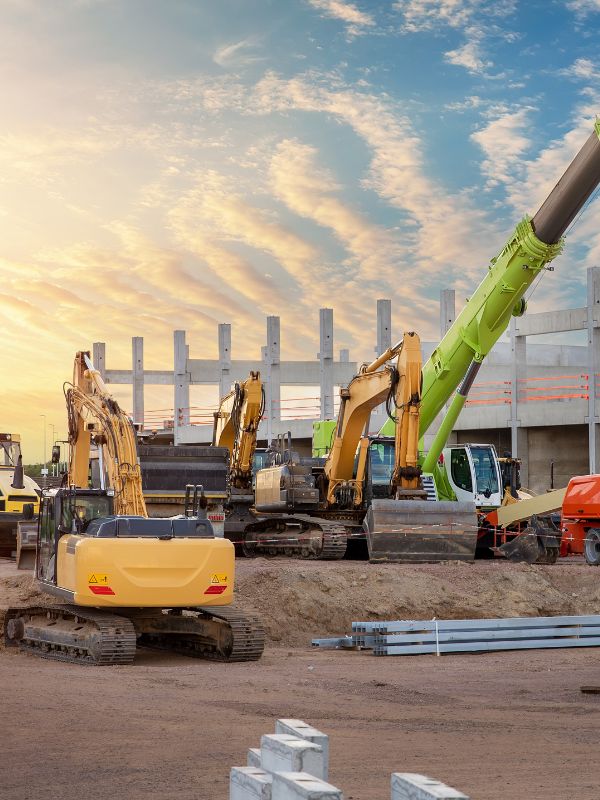
Aug 19: Heavy construction equipment represents a significant investment for contractors, construction companies, and equipment owners. Excavators, loaders, bulldozers, graders, and other machines are expected to operate under demanding conditions while delivering reliable performance day after day. Dirt, vibration, heavy loads, changing weather, and long operating hours all contribute to gradual wear.
Replacing machinery prematurely can create a major financial burden, but getting more years from equipment requires more than simply fixing problems when something breaks. Extending the working life of heavy construction equipment depends on consistent maintenance, careful operation, good recordkeeping, and attention to the small warning signs that indicate a machine needs attention.
Make Preventive Maintenance a Routine
Preventive maintenance is one of the most effective ways to protect heavy equipment over the long term. Instead of waiting for a component to fail, operators and maintenance teams should follow service intervals recommended for each machine.
Oil changes, filter replacements, lubrication, fluid checks, belt inspections, and other routine tasks help reduce unnecessary wear. Maintenance intervals may need to be adjusted when machines regularly operate in especially dusty, muddy, hot, cold, or otherwise demanding environments.
Consistency matters just as much as the maintenance itself. When busy schedules cause routine service to be postponed repeatedly, relatively inexpensive maintenance can eventually turn into a much larger repair.
Perform Inspections Before and After Operation
Daily inspections give operators an opportunity to identify problems while they are still manageable. A quick walkaround before starting a machine can reveal leaking fluids, loose hardware, damaged hoses, worn tires, undercarriage problems, or visible damage that occurred during the previous shift.
Operators should also pay attention to how equipment behaves once it is running. Unusual noises, excessive vibration, warning lights, changes in hydraulic performance, difficulty starting, or unexpected increases in operating temperature deserve attention.
Post-operation inspections can be equally valuable. Looking over a machine after a shift makes it easier to identify damage that occurred during the day’s work and gives the maintenance team time to address the problem before the equipment is needed again.
Pay Attention to Machine-Specific Maintenance
Although general maintenance principles apply throughout a construction fleet, different machines have components that require specialized attention. Excavators, for example, depend heavily on their hydraulic systems, undercarriages, attachments, and numerous moving components.
Following a thorough excavator maintenance routine can help owners identify the areas that require regular inspection and care. Similar machine-specific procedures should be developed for loaders, dozers, skid steers, and other equipment.
This approach prevents important maintenance tasks from being overlooked simply because they are not part of a general fleet checklist.
Keep Equipment Clean
Cleaning heavy equipment might seem secondary compared with mechanical maintenance, but accumulated debris can contribute to long-term problems. Dirt and mud can conceal leaks, cracks, loose fasteners, and damaged components, making visual inspections less effective.
Packed debris around radiators and cooling systems may also interfere with airflow and contribute to overheating. Material that collects around joints or moving components can increase wear, while hardened mud around an undercarriage may place additional stress on parts.
Regular cleaning also makes servicing easier. Technicians can identify potential problems more quickly when they are not working through layers of grease, soil, and debris.
Protect Equipment During Storage
Equipment can deteriorate even when it is not being used. Machines that remain outdoors for long periods may be exposed to rain, snow, sunlight, temperature swings, and moisture. Corrosion, weathered seals, battery problems, and fluid deterioration can all develop during extended downtime.
Whenever possible, machinery should be stored in a protected location. If indoor storage is unavailable, appropriate covers and designated parking areas can provide additional protection.
Long-term storage may require additional preparation, including cleaning the machine, checking fluid levels, maintaining batteries, protecting exposed components, and following manufacturer recommendations for equipment that will remain inactive.
Monitor High-Wear Components
Some components naturally wear faster than others because they experience constant friction, pressure, impact, or contact with abrasive materials. Identifying these high-wear areas allows maintenance teams to replace components before their condition affects surrounding systems.
Undercarriage components deserve particular attention on tracked equipment because they operate continuously against dirt, gravel, mud, and other abrasive surfaces. Cutting edges, bucket teeth, pins, bushings, hoses, tires, and attachment components may also require frequent inspection depending on the machine.
Timely replacement of wear parts can often be far less expensive than repairing damage caused by continuing to operate with severely worn components.
Keep Detailed Maintenance Records
Good recordkeeping provides a clearer picture of a machine’s condition over time. Maintenance records should document scheduled services, repairs, component replacements, inspections, operating hours, and recurring problems.
These records make it easier to identify patterns. If the same component repeatedly fails, for instance, the problem may involve operating conditions, installation practices, another mechanical issue, or the quality of the replacement part.
Records can also support better decisions about when equipment should be repaired, rebuilt, sold, or replaced. Instead of relying solely on age, managers can evaluate the actual maintenance history and reliability of each machine.
Use the Right Machine for the Job
Using equipment outside its intended application can accelerate wear considerably. A machine that is too small for a task may be forced to operate near its maximum capacity for extended periods. Oversized equipment can create its own inefficiencies and may be poorly suited to the work environment.
Attachments should also be compatible with the carrier machine and the work being performed. The wrong attachment can place excessive stress on hydraulic systems, structural components, pins, and other parts.
Proper equipment selection helps machines work efficiently without constantly operating under unnecessary strain.
Think in Terms of Total Equipment Life
Maintenance decisions are sometimes judged only by their immediate cost. Postponing service or choosing the cheapest available replacement component may appear to save money in the short term, but the long-term consequences can outweigh those savings.
A better approach considers the total working life of the machine. Spending appropriately on preventive maintenance, quality parts, operator training, and timely repairs can help reduce unexpected downtime while protecting the larger investment represented by the equipment itself.
Ultimately, extending the working life of heavy construction equipment comes down to treating machinery as a long-term asset rather than something that receives attention only when it stops working. Consistent inspections, proper operation, preventive maintenance, cleanliness, accurate records, and timely repairs can collectively add years of productive service while helping contractors get greater value from their equipment.