New Delhi, July 27: Goa’s distinctive model of sustainable architecture – a way of building that treats heritage not as a relic to be preserved behind glass, but as a living resource for the future – will be placed before the country at the National Conference on Goan Architecture & Sustainability in New Delhi on July 31. Conceived and initiated by Chief Minister Dr Pramod Sawant and organised by the Goa State Infrastructure Development Corporation, the conference will bring together policymakers, architects, planners, conservationists, developers and industry leaders from across India to examine how the Goa Model can inform the next chapter of the country’s built environment.
The conference is firmly anchored in the national vision of “Vikas Bhi, Virasat Bhi” – development alongside heritage – articulated by the Hon’ble Prime Minister Shri Narendra Modi. Goa offers one of the clearest working demonstrations of that idea. In this small coastal State, conservation and construction have not been treated as rival claims on the same land. They have been made to reinforce one another, producing settlements that are modern in comfort and performance, yet unmistakably Goan in character.
At the heart of the Goa Model is a simple proposition: buildings should be designed for the climate they stand in. Goa’s architectural tradition – laterite walls that breathe, sloping tiled roofs that shed the monsoon, deep verandahs and balcaos that shade the interior, courtyards that draw air through the house, and settlement patterns that follow the contours of the land and the flow of water – is not decorative nostalgia. It is a body of climate engineering refined over generations, achieving thermal comfort with a fraction of the energy that conventional construction now demands.
That is precisely what makes the model replicable. As Indian cities confront rapid urbanisation, rising temperatures, urban heat islands, surging cooling loads and mounting pressure on land and water, the Goa Model demonstrates that low-energy, climate-responsive and culturally rooted development is not a constraint on growth but a smarter form of it. The State’s experience in integrating these principles into public infrastructure, urban design and tourism development offers a template that other States can study, adapt and apply to their own regional traditions.
The inaugural session will be attended by Chief Minister Dr Pramod Sawant, Union Minister for Road Transport and Highways Shri Nitin Gadkari, Union Minister for Environment, Forest and Climate Change Shri Bhupender Yadav, and Union Minister for Culture Shri Gajendra Singh Shekhawat. Senior officials of the Government of India and the Government of Goa will also participate.
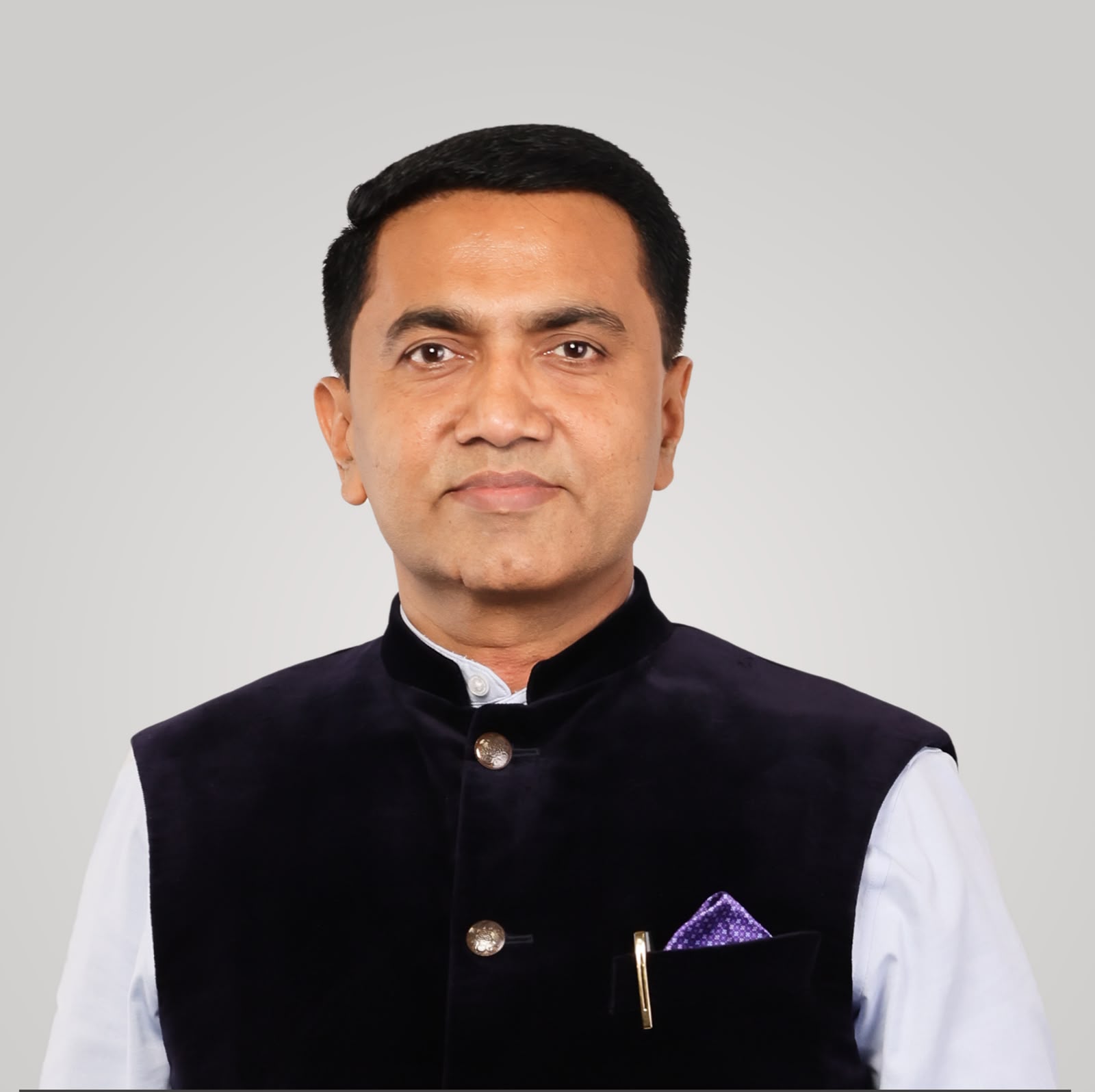
Speaking ahead of the conference, Chief Minister Dr Pramod Sawant said Goa was ready to share its development experience with the nation.
“The Hon’ble Prime Minister has given the country a clear direction – Vikas Bhi, Virasat Bhi. In Goa, that is not a slogan; it is how we have built for centuries. Our architecture is the accumulated learning of generations who understood the sun, the rain, the sea and the community they lived in, and who built accordingly. We have carried those principles into our roads, our public buildings and our urban planning, and the results speak for themselves.
Goa may be one of India’s compact States, but the Goa Model of sustainable architecture has lessons for every part of this country. Through this conference, we want the nation’s finest minds to examine it, question it, improve it and take it forward – so that India’s development is not only faster, but also greener, more resilient and rooted in who we are.”
The conference will feature four technical sessions covering architecture and heritage, sustainable habitats, energy-efficient buildings, green building certification, and climate-smart construction materials. Architects, conservation practitioners, environmental experts, researchers and representatives of national and international institutions will present perspectives on sustainable design and the future of India’s built environment.
Architects, planners, engineers, government officials, developers, academics and students from across the country are expected to attend. Beyond the technical deliberations, the conference is designed as a working platform for collaboration between State governments, professional bodies and educational institutions on sustainable design, heritage conservation and climate-responsive planning.
The conference will conclude with a valedictory session and a networking interaction among delegates and speakers. The recommendations emerging from the deliberations are expected to feed into the national dialogue on sustainable development and to strengthen the place of India’s regional architectural traditions – with the Goa Model among the foremost of them – in shaping the country’s future built environment.