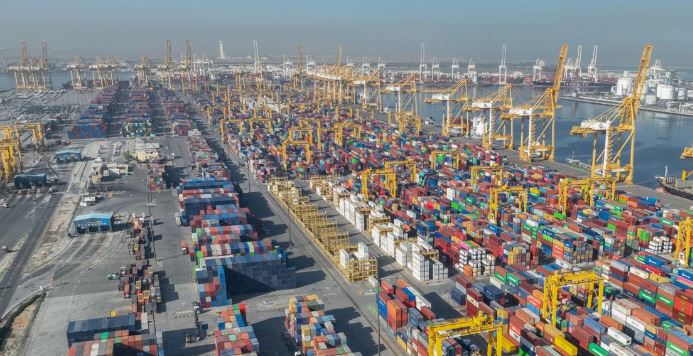
India–Dubai trade is opening new avenues for Indian small and medium enterprises (SMEs) in 2026, creating opportunities to increase exports, reach international buyers and strengthen business competitiveness. With Dubai serving as a major trading and logistics hub, Indian businesses can explore overseas markets, establish distribution partnerships and diversify their revenue beyond domestic demand.
For smaller enterprises, international expansion often comes with significant challenges, including high shipping costs, complex regulations, limited access to foreign buyers and uncertainty over payments. The growing commercial relationship between India and the United Arab Emirates (UAE) offers a potential route to address some of these barriers. However, the real value for businesses lies in turning improved market access into sustainable sales, stronger margins and long-term customer relationships.
Bilateral trade between India and the UAE reached approximately $101 billion in FY 2025–26, reflecting the depth of the commercial relationship. Both countries are working towards expanding bilateral trade to $200 billion by 2032. For Indian SMEs, this growth creates opportunities to participate in international supply chains and serve customers across the UAE and other markets through suitable distribution networks.
India–Dubai Trade Creates New Opportunities for Small Businesses
The India–UAE trade corridor has become increasingly relevant for businesses looking to move beyond local markets. Dubai offers access to an established commercial ecosystem supported by ports, airports, warehousing facilities, international distributors and business networks.
Indian manufacturers and exporters can explore opportunities in textiles, engineering goods, jewellery, processed foods, packaging, electronics and other product categories. Service providers involved in logistics, technology, marketing and business support may also benefit as cross-border commercial activity expands.
For an SME, securing international customers can reduce dependence on a limited domestic customer base. A business that previously relied on local wholesalers may gain additional revenue by supplying overseas distributors or retailers. Repeat export orders can also improve production planning and provide greater visibility into future demand.
This diversification is particularly valuable when domestic demand fluctuates or competition puts pressure on prices. Nevertheless, businesses must assess overseas demand, customer reliability and the full cost of fulfilling international orders before committing resources.
CEPA Tariff Benefits Can Improve Export Competitiveness
One of the major advantages of India–UAE trade is the Comprehensive Economic Partnership Agreement (CEPA), which came into force in May 2022. The agreement provides preferential market access and reduces or eliminates customs duties on eligible products, subject to applicable tariff schedules and rules of origin.
For Indian SMEs, lower import duties in the destination market can make products more attractive to buyers. When the tariff concession applies, the resulting savings may help reduce the landed cost of goods, support competitive pricing or improve the commercial appeal of an export contract.
Consider a small Indian manufacturer competing with overseas suppliers for a UAE distributor’s business. If its products qualify for preferential treatment, the lower customs duty may give the manufacturer additional flexibility during price negotiations. The buyer may benefit from lower import costs, while the supplier may gain a stronger chance of securing repeat business.
However, tariff concessions do not automatically translate into higher profits. Freight, insurance, packaging, customs clearance, certification and local distribution expenses continue to influence the final price. SMEs should verify product eligibility and calculate the complete landed cost before offering quotations.
Dubai’s Role as a Gateway to Global Markets
Dubai’s strategic location and established logistics infrastructure make it an important base for international trade. Indian businesses can use local distributors, third-party warehouses and regional trading partners to explore customers across the Middle East and, where commercially viable, markets in Africa and beyond.
This approach can help SMEs expand gradually without immediately establishing their own overseas offices or distribution facilities.
For example, an Indian textile manufacturer could supply products to a Dubai-based wholesaler that already serves retailers in several markets. Instead of building a separate sales network in each country, the manufacturer could work through the distributor to test demand, understand customer preferences and develop repeat orders.
Such arrangements can improve market reach and reduce the initial investment required for expansion. However, businesses must assess distributor reliability, contractual terms, inventory arrangements and the costs associated with serving each destination.
Dubai’s free zones also provide options for international trading, storage and re-export activities. Their suitability depends on the company’s business model, licensing requirements and intended markets. Goods moving from a free zone into the UAE mainland may be subject to the relevant customs and regulatory procedures.
How Export Growth Can Improve Revenue and Business Margins
International trade can create opportunities for SMEs to increase sales while making better use of existing production capacity. Small manufacturers often carry fixed expenses such as factory rent, machinery costs, salaries and utilities, regardless of their output levels.
When a business secures additional orders without a proportionate increase in fixed expenses, those costs can be spread across a larger volume of production. This may lower the average cost per unit and improve competitiveness.
Export contracts can also encourage businesses to invest in better machinery, quality control, packaging and employee training. These improvements may strengthen their ability to serve both international and domestic customers.
However, higher turnover does not necessarily mean higher profitability. Export orders can require additional raw materials, specialised packaging, inspections, freight payments and longer credit periods. SMEs need to assess contribution margins and working-capital requirements carefully before accepting large orders.
The strongest results are likely to come from contracts that combine reliable demand, manageable costs and timely payments.
New Business Opportunities Across Multiple Sectors
India–Dubai trade offers opportunities across a diverse range of industries.
Textile and apparel manufacturers can explore wholesale distribution, private-label production and supplies for retailers and hospitality businesses. Jewellery manufacturers may find opportunities through established traders and specialised buyers, provided they meet the relevant documentation and compliance requirements.
Engineering and industrial SMEs can target component suppliers, contractors and distributors that need dependable products. Food-processing businesses may explore demand for packaged products and ingredients, subject to applicable food safety, labelling and import requirements.
Packaging companies, logistics providers, software firms and other service businesses can also benefit indirectly. As exporters increase their international activity, demand may rise for freight management, inventory systems, digital marketing, product inspection and business support services.
This creates a wider economic effect in which export growth can support employment, supplier networks and additional business activity beyond the company directly selling the goods.
Cross-Border Payments and Financial Management
Payment arrangements are an important part of international trade because they affect cash flow, profitability and business risk. SMEs may need to pay suppliers and transport providers well before overseas buyers settle their invoices.
India and the UAE have established a framework supporting local-currency settlement in Indian rupees and UAE dirhams for eligible transactions. Depending on the participating financial institutions and the commercial arrangement, this can provide an additional payment option for businesses.
However, local-currency settlement does not eliminate every foreign-exchange cost or risk. SMEs must still consider conversion rates, bank charges, settlement timelines and the possibility of delayed payments.
Clear contracts, appropriate advance payments, buyer credit checks and effective receivables management can help reduce financial uncertainty. Businesses should also maintain sufficient working capital to cover the period between production, shipment and collection.
For smaller exporters, financial discipline is essential to ensure that international growth strengthens the business rather than placing excessive pressure on cash reserves.
Free Zones and the Cost of Establishing an Overseas Presence
Dubai’s free zones can provide infrastructure and licensing options for companies engaged in international trading, warehousing and distribution. Depending on the jurisdiction and activity, businesses may benefit from foreign ownership flexibility and access to specialised logistics facilities.
However, establishing an overseas entity is not always the most economical option for a small exporter. Licensing, office facilities, visas, banking, accounting and ongoing compliance can add substantial costs.
Tax treatment also requires careful assessment. Qualifying free-zone income may benefit from a 0% corporate tax rate under UAE rules, subject to specific conditions. This does not mean that all income earned by every free-zone company is automatically tax-free. Indian tax and regulatory obligations may also apply, depending on the business structure and activities.
For SMEs, the decision should be based on expected sales, operating costs and the commercial benefits of having a local presence. Starting through a distributor or logistics partner may be more practical until export demand becomes consistent enough to justify a larger investment.
Digitalisation Can Help SMEs Compete Internationally
Digital tools can make international expansion more manageable for smaller businesses. Online product catalogues, business-to-business platforms and customer management systems can help exporters identify potential buyers and maintain relationships with overseas customers.
Accounting and inventory software can improve visibility into order costs, stock levels, payment status and delivery schedules. Digital documentation and communication systems can also help businesses coordinate with customs agents, freight forwarders and distributors.
These capabilities matter because international buyers often expect accurate documentation, consistent product quality and dependable delivery timelines. SMEs that adopt more organised processes can improve their credibility and manage growing order volumes more effectively.
Digitalisation alone cannot guarantee export success, but it can help reduce administrative inefficiencies and support better commercial decisions.
Challenges SMEs Must Address Before Expanding
Despite the opportunities, international trade requires careful planning. SMEs may face strong competition, regulatory requirements, shipping delays, currency fluctuations and uncertainty over customer payments.
Product standards and documentation can vary by category, while customs classification and rules of origin must be handled correctly to obtain applicable tariff benefits. Businesses also need to understand local demand and avoid assuming that a product selling well in India will automatically succeed in the UAE.
Overexpansion is another risk. Establishing warehouses, hiring overseas staff or holding large inventories before securing reliable demand can increase financial pressure.
A gradual approach is often more practical. SMEs can begin with market research, identify suitable buyers, test demand through smaller shipments and evaluate the profitability of each transaction. Expansion can then follow as repeat orders and customer relationships become more established.
A Practical Route to Sustainable SME Growth
To benefit from India–Dubai trade, businesses need to treat exports as a long-term commercial strategy rather than a one-time opportunity.
The first step is identifying products that offer a clear advantage in quality, price, reliability or specialisation. Businesses should then assess buyer demand, verify relevant trade requirements and calculate the full cost of delivering products to the destination market.
Reliable distributors, transparent payment terms and dependable logistics partners can help reduce the risks associated with entering a new market. SMEs should also track export profitability, repeat orders, delivery performance, customer acquisition costs and payment collection periods.
These indicators provide a clearer picture of whether international expansion is creating genuine business value. A growing export business is most sustainable when sales growth is supported by healthy margins, manageable debt and consistent customer demand.
Conclusion
India–Dubai trade in 2026 offers Indian SMEs a valuable opportunity to expand their customer base, improve export competitiveness and participate in international supply chains. Preferential tariff arrangements, Dubai’s logistics infrastructure, regional distribution networks and evolving payment mechanisms can help businesses overcome some of the traditional barriers to overseas expansion.
The benefits, however, depend on how effectively companies manage costs, comply with regulations, maintain product quality and build lasting relationships with buyers. Export growth must also be supported by sound financial planning and a realistic understanding of international market demand.
For Indian SMEs, the India–Dubai trade corridor can become more than a channel for overseas sales. It can support stronger production capabilities, new employment opportunities, business diversification and long-term competitiveness. Companies that expand carefully and focus on sustainable profitability will be better positioned to turn this growing commercial relationship into lasting business growth.