
A competitive freight quote can conceal costly shipping problems, leaving businesses vulnerable to expenses they may never anticipate until delivery day.
Nov 05: When businesses arrange freight transportation, the quoted price and estimated delivery date can make the process seem relatively straightforward. However, those initial details tell only part of the story. A shipment may encounter problems if the destination cannot accommodate the delivery vehicle, employees lack the necessary unloading equipment, or the carrier requires services that the original quote does not cover.
Many of the details businesses overlook when planning shipments become apparent only after transportation arrangements are already in place. By that point, businesses may face additional expenses to change delivery schedules or secure equipment they could have arranged in advance. Looking beyond the initial freight arrangements allows businesses to anticipate the practical demands of a shipment and make better decisions before goods leave their facility.
The Shipment’s Requirements Come Before the Quote
Before comparing transportation providers, businesses need a clear picture of the shipment itself. Weight and dimensions influence freight arrangements, but the material’s physical characteristics can determine which transportation methods are appropriate. Products that require temperature control or specialized containment may have different needs from ordinary packaged merchandise. These distinctions affect which carriers can handle the load and what equipment they must provide.
The requirements become particularly important when companies transport materials that cannot travel through conventional freight channels. For example, manufacturers moving industrial liquids may need to consider bulk liquid storage and transportation arrangements that accommodate the material’s properties and the facilities involved. Identifying such requirements early gives businesses a realistic basis for comparing transportation options without discovering compatibility problems after booking a carrier.
Receiving Facilities Have Their Own Limitations
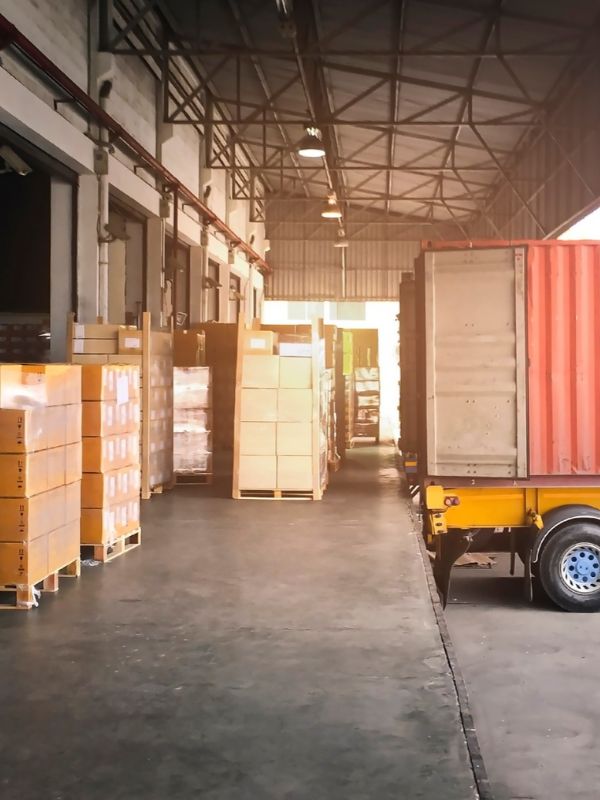
A transportation plan can account for every mile of the journey and still overlook what happens when the vehicle reaches its destination. Loading docks have different capabilities, and some facilities can accommodate only certain vehicle sizes or delivery configurations. A carrier may arrive as scheduled yet encounter a receiving area that cannot handle the shipment efficiently.
Businesses should confirm receiving conditions before finalizing transportation arrangements. The equipment a facility has available and the accessibility of its receiving area can influence how employees handle deliveries, particularly when they receive different types of freight throughout the day. When a location lacks the necessary resources, employees may need to arrange additional equipment or coordinate an alternative unloading point. Confirming these limitations beforehand allows transportation planners to select suitable vehicles and establish workable delivery instructions.
Delivery Windows Need To Match Actual Operations
Transportation schedules typically focus on when goods will leave one location and reach another. However, an estimated arrival time means little if the destination cannot receive the shipment during that period. Warehouses may operate with limited receiving hours, while manufacturing facilities sometimes coordinate deliveries around production schedules.
Scheduling becomes more complicated when several shipments compete for the same unloading resources. A truck arriving during a busy receiving period may wait even though it reaches the destination on time. Businesses can reduce these conflicts by confirming appointment requirements and allowing realistic unloading periods. When production depends on incoming materials, planners should consider how much flexibility the schedule provides if transportation delays shift the expected arrival.
The Lowest Freight Rate May Exclude Additional Costs
When businesses compare shipping quotes, the lowest advertised rate naturally attracts attention. Yet transportation providers may structure their pricing differently, and the initial estimate might not account for every condition associated with the delivery. Accessorial charges can arise when a shipment requires services beyond those included in the original agreement.
Detention fees provide one example of how operational conditions can affect the final bill. If a vehicle waits longer than the carrier’s permitted unloading period, additional charges may apply. Other expenses can arise from specialized equipment requirements or changes to delivery arrangements after booking. Businesses should examine what each quote includes and clarify potential surcharges before comparing total costs. A slightly higher initial rate may represent better value when it covers services another provider charges separately.
Packaging Decisions Affect Transportation Efficiency
Although packaging decisions frequently begin with protecting the product, they can influence how efficiently businesses use available transportation capacity. Containers with unusual dimensions may leave unused space inside a trailer, while poorly configured loads can complicate handling at transfer points. The relationship between packaging and transportation deserves attention before businesses commit to a shipping method.
Packaging requirements become especially important for companies that regularly transport the same materials between facilities. Standardizing suitable containers may simplify loading procedures and make shipment dimensions more predictable. Businesses should examine whether their current packaging allows efficient loading without compromising product protection. Even when existing containers perform their primary function adequately, their dimensions or handling requirements may create transportation expenses that remain unnoticed because employees consider them part of the normal shipping process.
Shipment Documentation Must Reflect the Actual Load
Accurate shipping documentation allows carriers and receiving personnel to understand what a shipment contains and how it should move through the transportation process. Problems can arise when purchase orders, packing lists, and shipping instructions contain inconsistent information. Even a relatively small discrepancy may require clarification before the receiving facility can process the delivery.
Documentation requirements depend on the shipment and the jurisdictions involved. Certain materials require specific identification or transportation records, while international shipments may involve customs documentation. Businesses should verify these requirements before dispatch and establish responsibility for preparing accurate records. When multiple departments contribute shipment information, a final review can identify discrepancies before they reach the carrier.
Communication Matters When Plans Change
Even carefully arranged shipments can encounter unexpected changes after departure. Traffic disruptions, equipment problems, and adjustments to facility schedules may alter the expected arrival time. The operational consequences depend partly on how quickly the relevant people receive updated information and whether they can respond before the delivery reaches its destination.
A useful communication process identifies who should receive shipment updates and who has authority to adjust arrangements. For example, a delayed delivery might require a receiving manager to reserve a different unloading window or notify production personnel about a revised material arrival. Businesses should establish these responsibilities before shipping begins, especially when transportation involves external carriers and several internal departments. Clear communication allows everyone involved to work from the same delivery expectations without relying on last-minute phone calls to resolve preventable confusion.
Better Shipment Planning Starts Before Dispatch
Although businesses cannot prevent every transportation delay or unexpected expense, careful preparation can reduce complications that arise from overlooked delivery requirements. Reviewing the shipment’s characteristics alongside carrier capabilities and receiving conditions gives businesses a clearer picture of what the transportation process will involve. These considerations deserve attention before dispatch, when companies still have opportunities to adjust arrangements without disrupting an active shipment.
Much of what businesses overlook when planning shipments comes down to the details that connect transportation with everyday operations. A competitive freight rate may influence which carrier a company selects, but the true cost of shipping depends on more than the journey between facilities. Businesses that account for the entire delivery process can make more informed transportation decisions while reducing the likelihood of unexpected expenses and operational interruptions.