Pic Credit: Pexel
A product recommendation on social media can do more than catch a consumer’s attention. It can introduce a new brand, answer questions about a product and influence a purchasing decision. From fashion and beauty to food and home essentials, online creators are becoming an important part of how people discover and evaluate products.
This shift is changing the relationship between marketing and sales. Businesses are moving beyond traditional advertisements and exploring ways to turn social media engagement into actual purchases. Known as influencer-led commerce, this approach connects product recommendations, engaging content and online shopping in a single customer journey.
For India’s growing digital retail sector, the trend offers new opportunities for established brands, small businesses and emerging entrepreneurs. However, long-term success will depend on more than online popularity. Businesses must build consumer trust, offer genuine value and understand whether their marketing efforts are generating sustainable sales.
Social Media Is Becoming a Product Discovery Channel
Online shopping once largely revolved around customers searching for specific products on retail websites. Today, many consumers discover products while watching short videos, following creators or browsing social media feeds.
A creator demonstrating a skincare product, styling an outfit or reviewing a household item can help potential buyers understand how it works in everyday life. This type of content makes product discovery more personal and can encourage consumers to consider brands they might not otherwise have noticed.
For businesses, this creates an opportunity to reach customers before they begin actively searching for a product. It also changes how brands communicate. Instead of relying only on promotional messages, companies can use demonstrations, useful tips and relatable stories to explain what makes their products relevant.
The challenge is to create content that genuinely helps consumers rather than simply adding to the growing volume of online advertising.
India’s Creator Economy Opens New Business Opportunities
Influencer marketing is becoming a more established part of business strategy in India as brands look for new ways to reach digitally connected consumers. Companies are increasingly working with creators to introduce products, explain their benefits and build relationships with specific audiences.
This opportunity is not limited to celebrities or creators with millions of followers. Smaller influencers with specialised audiences can help businesses connect with consumers who share particular interests, lifestyles or purchasing needs.
For emerging brands, such partnerships can provide a way to reach potential customers without depending entirely on expensive advertising campaigns. Local retailers, independent designers, regional food businesses and homegrown consumer brands can also use creator content to introduce their products to wider markets.
The most effective partnerships are built around relevance. A creator who understands a product and has an engaged audience may deliver greater value than one whose popularity does not match the brand’s target customers.
Regional Content Helps Brands Reach More Consumers
India’s linguistic and cultural diversity creates significant opportunities for regional influencer-led commerce. Consumers often connect with content that reflects their language, traditions and everyday experiences.
Creators who understand local preferences can help businesses explain products in a more familiar and accessible way. This can be especially valuable for small businesses seeking customers beyond their immediate neighbourhoods or cities.
Regional content also allows brands to communicate more naturally with different consumer groups. Rather than using the same message for everyone, businesses can adapt their storytelling to local needs while maintaining consistent product quality and brand values.
For smaller enterprises, this approach can make digital marketing more accessible and help bring local products to a wider audience.
AI Is Changing How Brands Work With Creators
Artificial intelligence is creating new possibilities for influencer marketing. Businesses can use digital tools to identify potential creators, understand audience interests, develop content ideas and evaluate campaign performance.
AI-powered personalisation can also help brands recommend products based on consumer preferences. Virtual influencers and computer-generated content are adding further options for companies experimenting with new forms of digital promotion.
However, technology alone cannot build a lasting relationship with customers. Audiences are more likely to respond positively when recommendations feel relevant, transparent and credible. Businesses must also be clear about paid partnerships and the use of AI-generated content where disclosure is required or appropriate.
The strongest approach is to use technology to improve efficiency while preserving the human connection that makes creator-led content effective.
Affiliate Marketing Connects Recommendations With Revenue
Influencer-led commerce is becoming more measurable through affiliate links, creator-specific discount codes and trackable product referrals. These tools help businesses understand which campaigns lead to website visits, enquiries and purchases.
In affiliate marketing, creators may earn a commission when a consumer buys a product through a designated link. This gives businesses a way to connect marketing expenditure with sales activity and provides creators with an incentive to produce useful, engaging content.
For companies working with several influencers, performance tracking can help identify which partnerships are delivering value. However, businesses must look beyond sales figures alone. Discounts, commissions, product returns and campaign expenses all affect profitability.
A campaign that generates a large number of orders may not necessarily be successful if the cost of acquiring those customers is too high.
Live Shopping Brings Products Closer to Customers
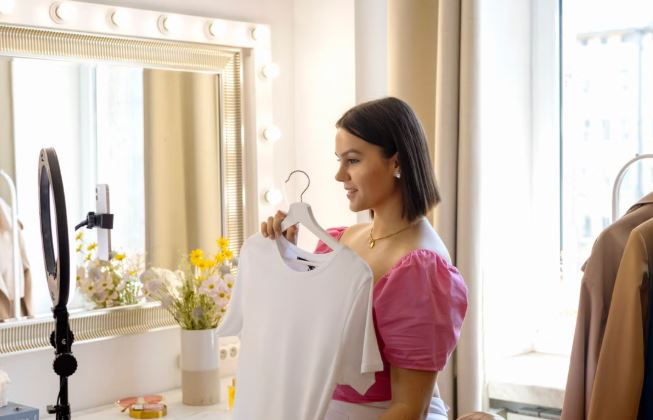
Live shopping combines product demonstrations with real-time interaction. During a live session, creators can show how an item works, answer viewers’ questions and explain its features before directing interested consumers towards a purchase.
The format can be useful for categories such as fashion, beauty, home accessories and lifestyle products, where customers often want to see an item in use before buying it.
For businesses, live shopping offers an opportunity to address common concerns directly and make online product discovery more interactive. It may also help brands introduce new collections, demonstrate product features and engage with existing customers.
Its effectiveness, however, depends on the quality of the presentation, audience interest and the convenience of completing a purchase. Live shopping works best when the content provides genuine value rather than relying on constant sales pressure.
Turning Online Attention Into Profitable Growth
Despite its potential, influencer-led commerce comes with business challenges. Creator fees, production costs, product samples, discounts and commissions can increase marketing expenses. Without careful planning, brands may attract attention without generating enough revenue to justify the investment.
Businesses need to monitor customer acquisition costs, conversion rates, repeat purchases and overall campaign profitability. They should also establish clear goals before working with creators and evaluate results against those objectives.
Consumer trust is equally important. Exaggerated product claims, poorly matched partnerships and promotions that appear insincere can damage a brand’s reputation. Honest demonstrations, clear disclosures and realistic expectations help customers make informed purchasing decisions.
The responsibility does not end when an order is placed. Product quality, delivery, after-sales support and easy returns all influence whether a customer chooses to buy from the same business again.
The Future of Influencer-Led Commerce
Influencer-led commerce is bringing marketing and online shopping closer together. As social platforms, digital payments and performance-tracking tools evolve, businesses will have more ways to connect creator content with customer purchases.
For Indian businesses, the model creates opportunities to reach new audiences, introduce products more effectively and develop stronger customer relationships. Smaller brands may benefit from working with relevant regional creators, while larger companies can combine creator partnerships with data-driven marketing strategies.
Yet the real measure of success will not be viral content or follower numbers alone. Businesses must turn consumer interest into a positive shopping experience, repeat purchases and sustainable revenue.
The future of social shopping will belong to brands that understand a simple principle: people may discover a product through a creator, but they return to a business because they trust what it offers.