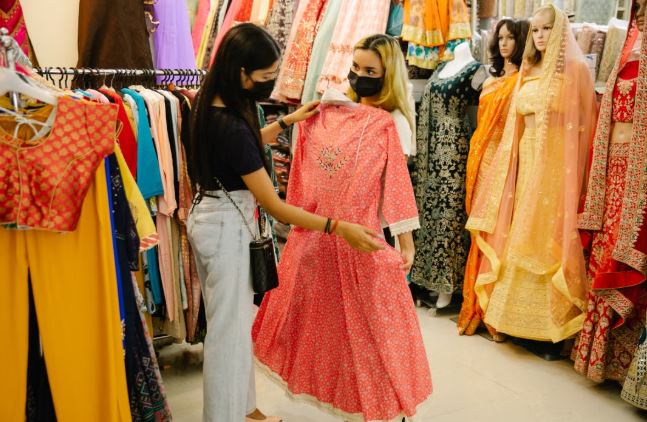
Pic Credit: Pexel
India’s fashion industry is entering a period of change as sustainability moves from a brand-positioning exercise to a more important business consideration. Fashion companies are increasingly being challenged to look beyond seasonal collections, pricing and sales volumes and consider how their products are sourced, manufactured, distributed and reused. Growing consumer awareness, pressure to manage production costs and changing expectations in international markets are encouraging businesses to explore more responsible ways of operating.
The sustainable fashion industry in India is particularly interesting because the country already has many of the foundations needed for this transition. Its textile ecosystem includes cotton and other natural fibres, handloom clusters, skilled artisans, garment manufacturers, dyeing units and a large network of small and medium-sized enterprises. Traditional practices such as handweaving, garment repair, fabric reuse and natural dyeing also offer valuable starting points for modern sustainable fashion businesses.
What is changing is the commercial approach. Sustainable fashion is no longer limited to a small group of environmentally conscious labels. It is creating opportunities across textile manufacturing, apparel retail, material innovation, fashion technology, recycling and exports. For businesses, the challenge is to make responsible production commercially viable while delivering the quality, design and affordability that customers expect.
Sustainable Fashion Is Becoming a Business Opportunity
Sustainable fashion refers to the production and consumption of clothing in ways that aim to reduce environmental impact, improve resource efficiency and support responsible working practices. It includes the use of responsibly sourced materials, cleaner manufacturing processes, durable product design, ethical sourcing, garment repair, resale and recycling.
For fashion companies, this approach can influence the entire business model. A manufacturer may explore recycled fibres to reduce dependence on virgin raw materials. A clothing brand may introduce collections made with organic cotton or low-impact dyes. A retailer may offer garment take-back programmes, while a startup may build an online marketplace for pre-owned clothing.
The commercial opportunity is not simply about selling products labelled as sustainable. It is about developing products and services that customers value and that businesses can deliver consistently at a competitive cost.
This distinction matters in India, where consumers remain price-conscious even as interest in responsible consumption grows. Brands must therefore balance sustainability with product quality, design, durability and affordability.
India’s Textile Industry Provides a Strong Foundation
India’s existing textile and apparel industry gives the country a significant advantage in developing responsible fashion businesses. The sector contributes around 2% of India’s GDP and approximately 11% of manufacturing gross value added, while providing direct employment to more than 45 million people. India is also an important participant in global textile trade, making sustainability relevant to both domestic manufacturers and export-oriented businesses.
For manufacturers, this creates an opportunity to upgrade production methods and strengthen their position in international supply chains. Global buyers are increasingly interested in understanding how products are made, where materials originate and whether suppliers follow credible environmental and social standards.
Indian textile businesses that invest in cleaner production, traceability, waste management and quality assurance can strengthen their competitiveness. This is particularly relevant for garment exporters and manufacturers supplying international fashion brands.
The opportunity also extends to smaller production centres. Handloom units, artisan enterprises, fabric processors and regional garment manufacturers can develop specialised products by combining traditional skills with contemporary design and responsible sourcing.
Consumer Demand Is Changing the Fashion Retail Business
Consumer preferences are influencing how fashion brands develop products and communicate their value. Younger shoppers, particularly millennials and Gen Z, are discovering homegrown labels, ethical fashion collections and pre-owned clothing through digital platforms and social media.
For these customers, fashion is not only about appearance. Product quality, individuality, material choices and the story behind a brand can also influence purchasing decisions. However, responsible consumption does not automatically mean customers are willing to pay significantly higher prices.
This creates a business challenge for fashion retailers. Brands must explain the value of sustainable products through tangible benefits such as better fabric quality, longer product life, comfort, craftsmanship and transparent sourcing.
Companies that successfully combine responsible production with attractive designs and accessible pricing may be better positioned to build customer loyalty. Sustainability can strengthen brand identity, but the product itself must still meet customer expectations.
Material Innovation Is Opening New Opportunities for Manufacturers
One of the most commercially important developments in sustainable fashion is the search for alternative materials and more efficient textile processing methods.
Organic cotton, hemp, linen, recycled fibres and other plant-based materials are attracting interest from designers and manufacturers. Research into textiles made from agricultural residues and other alternative resources is also creating opportunities for material innovation.
For Indian manufacturers, these developments could open new product categories and specialised supply relationships. Businesses capable of producing consistent-quality sustainable fabrics may find opportunities to work with domestic fashion labels and international buyers.
However, adopting alternative materials requires more than changing the fabric used in a collection. Manufacturers must consider availability, processing requirements, durability, colour consistency, cost and large-scale production capacity.
Investment in research, testing and supplier partnerships will be important to turning promising materials into commercially viable products.
Circular Fashion Is Creating New Revenue Streams
The traditional fashion retail model generally focuses on producing new garments and selling them to consumers. Circular fashion takes a broader approach by keeping products and materials in use for longer through resale, repair, rental, refurbishment and recycling.
This shift can create additional commercial opportunities for fashion businesses.
Resale and buy-back programmes: Brands can encourage customers to return previously purchased clothing in exchange for store credits or other benefits. Suitable garments can be checked, refurbished and resold, allowing companies to maintain a relationship with customers beyond the first purchase.
Repair and alteration services: Offering repairs, alterations and garment restoration can extend product life while creating service-based revenue opportunities.
Rental fashion: Clothing rental can be attractive for wedding wear, occasion wear, designer collections and other products that customers may not need to purchase permanently.
Upcycling and textile recovery: Fashion businesses can convert surplus fabric, production waste and discarded garments into new products, accessories or materials.
These models are gaining attention in India’s direct-to-consumer fashion ecosystem, although scaling them profitably remains a challenge. Resale, repair and take-back programmes require efficient collection, sorting, quality checks and reverse logistics.
For retailers, the long-term opportunity lies in making circular services part of their regular operations rather than treating them as occasional promotional activities.
Sustainable Manufacturing Can Strengthen Export Competitiveness
International markets are creating another important reason for Indian fashion businesses to improve their sustainability practices. Global buyers increasingly evaluate suppliers on production standards, material traceability, environmental performance and supply-chain transparency.
For export-oriented manufacturers, these expectations can influence sourcing decisions and long-term business relationships. Companies that can demonstrate responsible production practices may be better prepared to work with buyers seeking more transparent supply chains.
India’s textile waste recovery network also offers a foundation for developing circular manufacturing. Industry estimates highlighted in a 2026 government-backed update indicate that the country manages millions of tonnes of textile waste annually, with a substantial share entering reuse and recovery channels. Improving sorting, traceability and recycling quality could help turn more of this material into commercially useful inputs.
The opportunity is particularly relevant for manufacturers that can recover usable fibres, reduce production waste and develop recycled textile products that meet buyers’ quality requirements.
Technology Is Becoming an Important Part of Sustainable Fashion
Technology can help fashion businesses make sustainability more measurable and commercially manageable. Digital inventory systems can improve stock visibility, while data analytics can help brands forecast demand and avoid unnecessary production.
Supply-chain tracking tools can provide greater visibility into sourcing and manufacturing. Digital product information can also help retailers communicate details about materials, product care and origin.
Artificial intelligence may support demand forecasting, product design and inventory planning. Better forecasting can help businesses reduce overproduction, a persistent challenge in the fashion industry.
For startups and technology providers, this creates opportunities to develop solutions for textile traceability, waste management, material verification, resale platforms and supply-chain monitoring.
The value of these technologies will depend on whether they solve practical business problems, improve efficiency and provide information that companies and customers can trust.
MSMEs and Artisan Businesses Have a Significant Role to Play
India’s sustainable fashion transition cannot be driven by large brands alone. Small manufacturers, textile processors, artisans, designers and local enterprises are important participants in the supply chain.
For MSMEs, opportunities include producing natural-fibre garments, supplying recycled fabrics, offering garment repair services, developing upcycled accessories and working with fashion brands on small-batch collections.
Artisan businesses can also reach new markets by combining traditional craftsmanship with contemporary product design and digital retail channels. Such partnerships can create commercial value while supporting skilled employment and regional production clusters.
However, smaller businesses often face barriers related to finance, technology, certification and access to buyers. Support for modern equipment, workforce training, quality standards and market connections will be important to helping them participate in higher-value supply chains.
Government Initiatives Are Supporting the Shift Towards Circular Textiles
Sustainable manufacturing is also receiving greater attention through policy and industry initiatives. Measures supporting cleaner production, textile recycling, green technology adoption and eco-labelling are intended to encourage more responsible practices across the value chain.
The government’s textile sustainability initiatives include support for green technologies among MSMEs through programmes under the Raising and Accelerating MSME Performance framework. The Eco-Mark Scheme and initiatives related to textile traceability and waste recovery are also relevant to businesses seeking to improve product credibility and manufacturing standards.
For businesses, these developments make it important to monitor applicable standards, incentives and compliance requirements. Early investment in resource efficiency and transparent production practices may help manufacturers prepare for changing buyer expectations and future market requirements.
The Commercial Challenges Fashion Businesses Must Address
Despite its potential, sustainable fashion is not an easy business model to scale. Responsibly sourced materials and specialised manufacturing processes can increase production costs, while smaller production volumes may make pricing less competitive.
Supply-chain transparency is another challenge. Brands often depend on multiple suppliers and manufacturing partners, making it difficult to verify every stage of production. Without reliable information, sustainability claims can also expose companies to reputational risks and accusations of greenwashing.
Circular retail introduces additional operational complexity. Resale and take-back programmes require collection networks, product inspection, cleaning, storage and resale management. Recycling businesses need consistent access to suitable waste materials and technology that can recover commercially useful fibres.
The solution is to approach sustainability as an operational and financial strategy. Businesses need measurable targets, reliable suppliers, realistic pricing and clear customer communication. Initiatives that look attractive in marketing but cannot be supported by efficient operations are unlikely to deliver lasting commercial results.
What Fashion Businesses Should Prioritise Next
As the market develops, fashion companies can strengthen their position by focusing on practical business improvements:
-
Improve sourcing: Build reliable relationships with suppliers offering traceable and responsibly produced materials.
-
Reduce production waste: Use better cutting, inventory planning and manufacturing processes to limit unused fabric and excess stock.
-
Develop durable products: Focus on quality, repairability and designs that remain useful beyond short-lived fashion trends.
-
Explore circular revenue models: Test resale, repair, rental and take-back services where customer demand supports them.
-
Use technology effectively: Adopt digital tools for inventory control, demand forecasting and supply-chain visibility.
-
Make sustainability credible: Communicate specific, verifiable product and manufacturing information rather than relying on broad environmental claims.
For both established brands and emerging businesses, the strongest approach will be to connect sustainability with measurable improvements in product quality, operating efficiency and customer value.
Sustainable Fashion Could Become a Competitive Advantage for Indian Brands
India’s sustainable fashion industry is moving towards a more commercially focused phase. Traditional textile skills, growing interest in responsible consumption, material innovation and the expansion of circular retail are creating opportunities across the fashion value chain.
For manufacturers, the opportunity lies in cleaner production, improved resource efficiency and stronger export readiness. For retailers, it is about developing customer relationships through quality, transparency and longer product life. For entrepreneurs, new possibilities are emerging in resale, textile recycling, repair services and sustainable material development.
The transition will not happen overnight. Businesses must overcome cost pressures, supply-chain gaps and consumer concerns before sustainable models can achieve wider scale. But companies that treat sustainability as part of their core business strategy rather than a marketing message can build a stronger foundation for long-term growth.
The future of Indian fashion will depend not only on what brands create, but also on how efficiently they produce it, how responsibly they source it and how much value they generate throughout a product’s life cycle.