Learn the warning signs of attachment wear, hydraulic trouble, loose connections, and declining performance before equipment problems cause costly downtime.
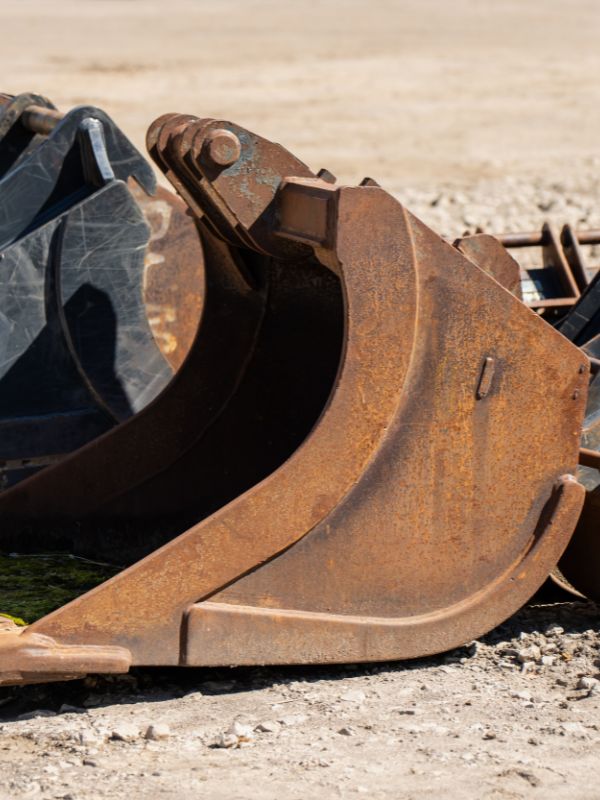
Heavy equipment attachments operate under demanding conditions. Buckets encounter abrasive soil and rock, grapples repeatedly handle irregular loads, and hydraulic attachments depend on hoses, fittings, couplers, and seals working reliably under pressure. Over time, normal wear or a developing fault can affect productivity and eventually contribute to unplanned downtime.
For contractors and other businesses dependent on large machinery, recognizing trouble early is more than a maintenance concern. It is part of controlling operating costs and keeping projects on schedule. The following signs a heavy equipment attachment needs attention can help operators identify problems before they become more disruptive.
Performance Is Gradually Declining
One of the easiest warning signs to overlook is an attachment that still works but no longer performs as efficiently as it once did. A bucket may require additional passes to move the same amount of material. A hydraulic tool might cycle more slowly, while a grapple may respond less consistently. Because these changes can develop gradually, operators sometimes compensate by changing how they use the machine rather than investigating the cause.
Declining performance can have several explanations, including worn cutting components, hydraulic problems, incorrect settings, or deteriorating connections. Comparing current performance with the attachment’s normal operation makes subtle changes easier to identify.
Routine heavy equipment attachment maintenance should therefore consider performance as well as physical condition. An attachment does not necessarily need to fail completely before it warrants inspection.
New Noises or Excessive Vibration Appear
Experienced operators become familiar with the normal sound and feel of their machines. A new grinding, knocking, rattling, or squealing noise deserves attention, particularly when it appears whenever an attachment is engaged.
Unusual vibration can similarly indicate that something has changed. Loose mounting hardware, worn components, damaged bearings, attachment imbalance, or other mechanical problems may all affect how a tool behaves.
Operators should note when the noise or vibration occurs. A symptom appearing only under load, for example, may provide different diagnostic information than one that occurs whenever hydraulic flow is supplied. Severe or unexplained vibration should not simply be treated as an inconvenience since continuing operation can potentially worsen the underlying damage.
Hydraulic Performance Becomes Inconsistent
Hydraulic attachments provide several early indications of trouble. Slow movement, intermittent operation, reduced force, unusual heat, or an unexpected change in responsiveness can all justify further investigation.
Problems may originate with something as straightforward as an improperly seated connection, but damaged hoses, incorrect hydraulic settings, contamination, or internal component issues are also possibilities. Operators working specifically with excavators should understand how to troubleshoot common excavator attachment issues when symptoms such as weak performance, connection problems, leaks, or unusual vibration develop.
Hydraulic systems require particular caution. Equipment should be shut down and the pressure relieved according to manufacturer procedures before inspection, and suspected pressurized leaks should never be checked by hand.
Leaks Begin Appearing Around the Attachment
Visible hydraulic fluid is another warning sign that should not become accepted as part of routine operation. Even a relatively small leak can point to a damaged hose, deteriorated seal, loose or damaged fitting, or another problem requiring attention. Beyond potentially reducing attachment performance, leaks can create additional maintenance and housekeeping concerns on a worksite.
The source should be identified using the equipment manufacturer’s recommended procedures. Simply tightening fittings without knowing the required specifications can create further problems, so repairs should follow the appropriate technical guidance.
The Attachment Feels Loose at the Connection
Movement where an attachment connects to its carrier can affect both accuracy and safety. Excessive play, rattling, or a coupler that does not appear to engage correctly should be investigated before work continues.
Common inspection points include pins, bushings, mounting surfaces, locking mechanisms, and the coupler itself. Dirt or packed debris around connection points can sometimes interfere with proper seating, while worn components can create increasing movement over time. Any attachment that cannot be securely locked into position should remain out of operation until the problem has been corrected.
Wear Is Becoming Uneven or Excessive
Some attachment components are designed to wear. Bucket teeth, cutting edges, blades, and other ground-engaging surfaces gradually lose material during normal use. The important question is whether that wear remains within acceptable limits.
Uneven deterioration deserves particular attention because it can sometimes indicate alignment problems, improper operating practices, or another underlying issue. Waiting until a wear component fails completely may also increase stress on more expensive structural parts. Regular inspections allow businesses to plan for the replacement of wear components instead of discovering the need in the middle of a job.
Cracks, Bent Metal, or Weld Damage Become Visible
Structural damage represents a more serious category of warning sign. Cracks, deformation, damaged welds, and bent components can compromise an attachment’s ability to handle normal working forces.
Small cracks can be easy to dismiss, particularly on equipment that regularly operates in harsh environments. However, repeated loading can cause structural damage to progress. Areas around mounting points, welds, and high-stress sections deserve close inspection. When structural integrity is uncertain, the attachment should be properly evaluated rather than returned immediately to service.
Maintenance Records Reveal Recurring Problems
Not every warning sign is visible on the attachment itself. Maintenance records can reveal patterns that individual inspections miss.
Repeated hose failures, recurring leaks, unusually frequent wear-part replacement, or the same operational complaint appearing multiple times may indicate a broader issue. Equipment compatibility, hydraulic settings, operating conditions, or application demands may need to be examined rather than repeatedly replacing the affected component.
This is where consistent heavy equipment attachment maintenance records become particularly useful. They allow managers to identify trends and make better-informed decisions about inspection intervals, repairs, operator practices, and equipment utilization.
Early Attention Can Protect Productivity
The most useful inspection programs do not wait for attachments to stop working. Changes in performance, sound, vibration, hydraulic behavior, connection security, and physical condition can all provide advance warning.
For equipment-dependent businesses, the practical value of identifying signs a heavy equipment attachment needs attention is straightforward: a manageable inspection or planned repair is generally easier to accommodate than an unexpected failure during active work. Paying attention to small changes can help organizations protect equipment availability, improve jobsite reliability, and make maintenance decisions before downtime dictates the schedule.