Timely equipment inspections uncover heat, fluid, and shifting problems. Learn how to recognize the signs that a mining transmission is starting to fail
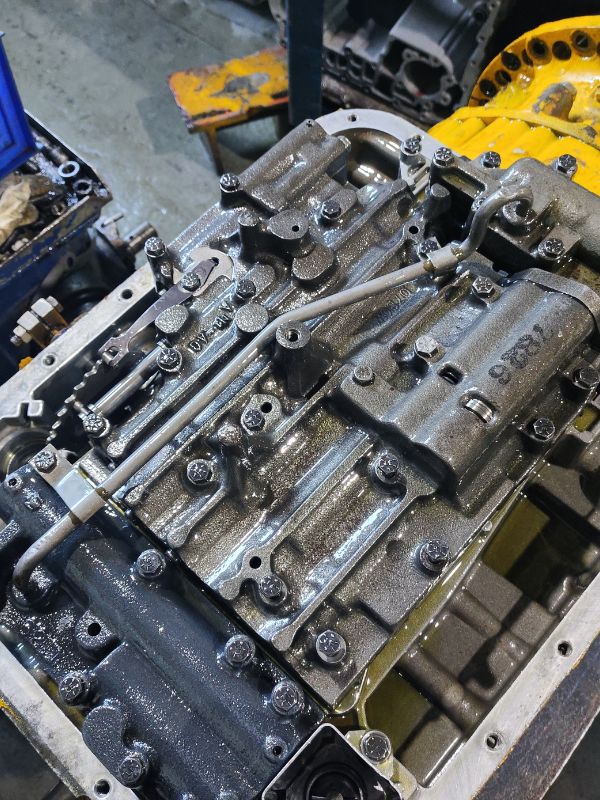
Mining transmissions work through heavy loads and repeated direction changes during each shift. Early problems may seem minor because the machine still moves under its own power. Nevertheless, those symptoms can spread into clutch damage or gear wear once crews continue production. Recognizing when a mining transmission is starting to fail gives maintenance teams time to investigate before the equipment loses dependable power transfer.
1. Delayed Engagement After Gear Selection
A healthy transmission should respond soon after the operator selects forward or reverse. A long pause may indicate low hydraulic pressure or worn clutch packs. During that delay, the transmission struggles to apply the internal components that move engine power into the driveline. The pause may grow until the machine refuses to engage under load.
2. Slipping During Loaded Travel
Transmission slip occurs when engine speed rises without a matching increase in machine movement. Operators may notice this problem during acceleration or while climbing a grade with material. Worn friction plates can lose their grip as pressure drops inside the clutch circuit. If slipping continues, excess heat will accelerate equipment damage.
3. Harsh or Unpredictable Shifting
Errors with control pressure and valve operation could be the cause of sudden gear changes. Lurching during a shift or hesitating between ranges place the shock loads on shafts and driveline joints. This often occurs due to contaminated hydraulic control systems, causing inconsistent pressure regulation. The resulting shock loading can crack components or lead to sudden driveline failure under heavy haul conditions.
4. Unusual Noise Under Load
Grinding or whining sounds often start when bearings and gears lose their smooth contact surfaces. As the transmission works under heavy mining loads, the gear mesh tightens and friction increases, making the noises more noticeable. Operators hear the sound first during acceleration or when the machine carries a full load.
These sounds don’t point to a single failure on their own. However, they do raise concerns about the transmission’s condition. Crews should check oil condition, look for metal particles, and inspect wear patterns. Whether the team needs to lubricate parts or replace several components, investigating loud operational sounds will protect the transmission.
5. Dark Fluid or Burnt Odors
Transmission fluid carries heat away from gears and protects friction surfaces during operation. The fluid darkens as it collects wear particles and oxidizes under high temperatures.
Operators often notice this change during routine checks and can link it to rising internal stress. A burnt odor signals that heat has already damaged the oil or clutch material inside the transmission. Maintenance teams need to respond quickly to prevent overheating in off-highway transmissions and further component failure.
6. Leaks Around the Transmission
Technicians often notice fluid collecting near seals or housings. This is a clear sign that the transmission in mining equipment is starting to fail because it no longer retains its full lubricant supply.
Low fluid levels reduce cooling capacity and weaken hydraulic pressure inside the system. Even a slow leak disrupts clutch engagement over time and affects shift consistency. Crews should trace the source of the leak instead of relying on repeated top-offs as a repair strategy.