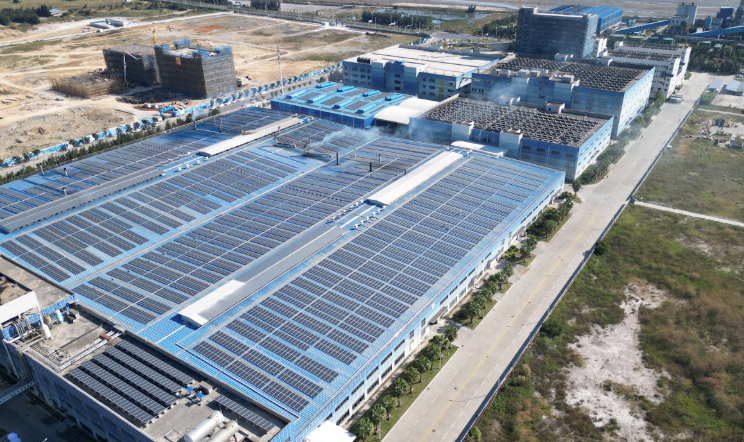
India’s rooftop solar sector could see a major expansion over the next few years, with installed capacity having the potential to rise from around 17 GW currently to 132 GW by 2030, according to a recent report by the Indian Solar Manufacturers Association (ISMA). The report estimates annual rooftop solar demand could remain between 9 GW and 15 GW through 2030.
The projection comes as rooftop solar adoption is gaining momentum among households and businesses. According to the report, the PM Surya Ghar: Muft Bijli Yojana has played an important role in widening access to residential rooftop solar and creating a stronger demand base for the sector.
The government scheme, launched in February 2024, aims to support rooftop solar installations for one crore households by March 2027. Recent data cited in the report show that around 47.8 lakh rooftop solar installations have been completed, with total capacity of about 16.8 GW, benefiting nearly 56.9 lakh families. More than Rs 31,515 crore in central financial assistance has reportedly been disbursed.
The growing rooftop market is also creating opportunities beyond electricity generation. Higher installation activity could increase demand for solar cells, modules, inverters, cables, mounting structures and other balance-of-system components. This could provide additional business opportunities for domestic manufacturers, installers, engineering companies and service providers.
For MSMEs, the expansion of rooftop solar could open opportunities across installation, electrical contracting, equipment distribution, maintenance, system monitoring and project support. Local businesses can also become part of the wider supply chain as more homes, commercial establishments and institutions adopt distributed solar power.
The trend is taking place alongside rapid growth in India’s overall solar sector. According to the Ministry of New and Renewable Energy, India had 168.04 GW of installed solar capacity as of August 31, 2026, including 32.59 GW of grid-connected rooftop solar capacity.
For businesses, rooftop solar can also be linked to energy-cost management. Commercial and industrial establishments with suitable rooftops can generate part of their electricity requirements locally, while households can use solar generation to reduce their dependence on conventional grid electricity.
The report also points to what it describes as an “affordability effect”, with rooftop solar adoption expanding beyond markets where the economics were traditionally strongest. Government support has helped make the technology more accessible to a wider group of households.
However, sustaining rapid growth will require continued policy support, financing options, reliable distribution infrastructure and adequate installation capacity. The report has called for early clarity on the next phase of the rooftop solar programme as the current PM Surya Ghar scheme approaches its March 2027 deadline. Such clarity could help consumers, manufacturers and other businesses plan investments and capacity expansion.
The expected expansion of rooftop solar could therefore have a wider economic impact. Growth in installations can support manufacturing, logistics, electrical services, engineering, financing and maintenance, while creating new opportunities for skilled workers and small businesses.
For India’s domestic solar manufacturing industry, a larger and more predictable rooftop market could also provide a stronger base for investment in local production. According to ISMA, the association represents solar manufacturers with a focus on domestic value addition, technology development and strengthening India’s solar supply chain.
With rooftop solar potentially reaching 132 GW by 2030, the sector is emerging as an important part of India’s renewable-energy expansion. The growth could benefit households and businesses while creating new markets for manufacturers, MSMEs and service providers across the clean-energy ecosystem.