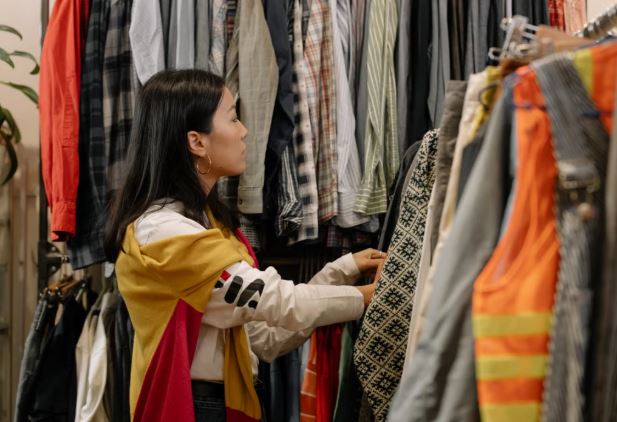
India’s sustainable fashion market is creating new business opportunities, but making eco-friendly clothing affordable remains a major challenge for manufacturers, retailers and emerging fashion brands. While interest in responsible consumption is growing, most consumers continue to compare clothing prices, quality, durability and design before making a purchase. For businesses, the real opportunity lies in making sustainability commercially viable without pushing products beyond customers’ budgets.
India’s established textile manufacturing network, skilled workforce and large base of micro, small and medium enterprises (MSMEs) give the industry a strong foundation to expand sustainable production. However, higher material costs, fragmented supply chains and limited recycling infrastructure can put pressure on margins. Businesses must therefore focus on cost control, efficient production and products that deliver clear value to consumers.
Sustainable Fashion Must Work as a Profitable Business Model
For clothing businesses, sustainability cannot depend entirely on consumers paying premium prices. Brands need to identify where environmentally responsible practices can reduce costs, improve product quality or create additional revenue.
Using fabric more efficiently, reducing manufacturing defects, controlling excess inventory and minimising unsold stock can lower operating expenses. These measures can benefit a business financially while reducing waste.
For example, a garment manufacturer that improves fabric cutting and reuses suitable leftover material can reduce raw-material losses. Similarly, a retailer that uses sales data to plan inventory more accurately can limit overproduction and avoid heavy discounting on unsold collections.
The practical approach is to treat sustainability as part of operational efficiency rather than an additional expense. Businesses that measure both financial savings and environmental improvements can make better investment decisions.
Affordable Pricing Is Essential to Reach Mainstream Consumers
Price remains a major factor in India’s clothing market. Although some customers are willing to pay more for responsibly produced garments, many households prioritise affordability, particularly when buying everyday clothing for multiple family members.
Fashion businesses can address this challenge by introducing sustainable practices gradually instead of shifting their entire product range at once. Starting with high-volume basics, durable fabrics or products made with efficiently sourced materials can help companies control costs and test consumer demand.
A tiered product strategy can also expand the customer base. Affordable everyday garments can attract budget-conscious shoppers, while specialised collections can serve consumers willing to pay more for particular materials, craftsmanship or traceability.
Retailers should communicate practical benefits such as durability, comfort and ease of care rather than relying only on environmental messaging. When customers understand the value of a product, businesses have a stronger basis for building repeat purchases.
Supply Chain Efficiency Can Protect Profit Margins
Raw materials, processing, labour, transportation and inventory all influence the final price of clothing. Sustainable sourcing can increase costs when suppliers are limited or order volumes are small, making supply chain management particularly important.
Businesses can improve purchasing efficiency by building long-term relationships with reliable suppliers, consolidating orders and planning production around realistic demand. Smaller brands can explore working with other manufacturers or sourcing partners to improve purchasing power where practical.
Local sourcing may also help reduce lead times and simplify coordination, although businesses should assess total costs and environmental impact rather than assume that local materials are always cheaper or more sustainable.
Manufacturers can further improve margins by monitoring material consumption, energy use, water use and production waste. Regular tracking helps identify avoidable expenses and shows where process improvements can deliver measurable returns.
Textile Waste Can Become a Source of Business Value
Fabric waste and unsold garments represent lost value for clothing manufacturers and retailers. Instead of treating all textile leftovers as disposal costs, businesses can assess whether suitable materials can be reused, redesigned or sold through alternative channels.
Garment manufacturers can convert usable fabric scraps into accessories, smaller products or components for other items. Fashion retailers can explore repair services, resale partnerships and garment collection programmes where customer demand and operating economics support them.
Resale and upcycling can also create additional revenue streams, but they require careful cost management. Sorting, cleaning, repairing, storing and reselling garments can be expensive if the process is not organised efficiently.
Businesses should begin with small pilot programmes, calculate the cost per recovered item and expand only when customer demand and margins justify the investment.
MSMEs Need Practical Support to Adopt Sustainable Practices
Small manufacturers, workshops and independent fashion businesses often face greater difficulty financing new equipment, obtaining certified materials and meeting changing buyer requirements. Large-scale sustainability investments may be unrealistic for businesses operating with limited working capital.
A more practical route is to prioritise affordable improvements such as better production planning, waste segregation, efficient machinery maintenance and reduced packaging. Businesses can then assess whether larger investments in cleaner processing, recycled materials or certification are commercially justified.
Industry partnerships, shared processing facilities, technical training and access to suitable finance can help smaller enterprises spread costs and improve production standards.
For MSMEs supplying larger retailers or export markets, documenting material sources, production processes and environmental practices can also strengthen supplier credibility and help them respond to buyer requirements.
Retailers Must Make Sustainability Easy to Understand
One challenge for sustainable fashion businesses is convincing consumers that higher-priced products offer meaningful value. General claims about being environmentally friendly may not be enough to influence purchasing decisions, particularly when customers have cheaper alternatives.
Retailers should provide clear information about fabric composition, product care, durability and the specific environmental practices used in manufacturing. Claims should be supported by reliable evidence and avoid suggesting that a product is entirely sustainable when only one part of its production has changed.
Online and physical retailers can also help customers make more informed choices through transparent product descriptions, garment-care guidance and clear return policies.
Trust is commercially important because misleading claims can damage brand reputation. Honest communication helps customers understand what they are paying for and gives businesses a stronger foundation for repeat sales.
How Businesses Can Measure the Return on Sustainability
Sustainable practices should be assessed using business indicators rather than marketing visibility alone. Companies can track whether changes are reducing costs, improving sales or strengthening supplier relationships.
Useful indicators include:
-
Material efficiency: The amount of fabric used per garment and the volume of production waste.
-
Inventory performance: Unsold stock, discounting levels and inventory turnover.
-
Production costs: Spending on materials, energy, water, packaging and waste disposal.
-
Customer response: Repeat purchases, product returns and demand for sustainable collections.
-
Revenue opportunities: Sales generated through repaired, recycled, upcycled or resale products.
Businesses should establish a baseline before introducing changes and compare results over time. This helps distinguish genuine financial benefits from initiatives that increase costs without generating sufficient commercial value.
The Business Outlook for Sustainable Fashion in India
India’s sustainable fashion opportunity will depend on the industry’s ability to combine responsible production with competitive pricing and reliable product quality. Manufacturers must reduce waste, retailers need to manage inventory carefully, and brands must demonstrate why their products offer value to consumers.
The transition does not require every business to make large investments immediately. Practical improvements in material use, production planning, supplier management and product durability can provide a starting point, with further investment guided by customer demand and measurable results.
For India’s fashion businesses, the strongest opportunity is to make sustainability part of everyday commercial decision-making. Companies that control costs, use resources efficiently and offer credible value can improve their competitiveness while gradually reducing the environmental impact of clothing production.