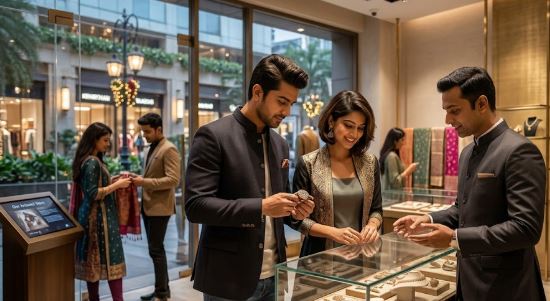
India’s luxury market is entering a new phase as younger consumers influence how premium brands develop products, attract customers and build long-term growth. Luxury has traditionally been associated with exclusivity, prestigious labels and high prices. Today, quality, individual style, personalisation and the overall buying experience are becoming increasingly important alongside brand reputation.
This shift has direct implications for businesses. Companies can no longer rely entirely on established names or aspirational advertising to attract younger buyers. They need to demonstrate what makes their products distinctive, understand different spending capacities and offer experiences that justify premium pricing.
For luxury brands across fashion, jewellery, watches, beauty, hospitality and travel, the opportunity lies in converting changing consumer preferences into sustainable demand. Businesses that adapt their products and services to these expectations can reach new customer groups while strengthening loyalty among existing buyers.
A More Diverse Customer Base Is Changing Luxury Sales
Younger consumers are not a single market segment. Affluent buyers may seek exclusive collections and high-value purchases, while early-career professionals may prefer premium fragrances, accessories, beauty products or smaller luxury items.
This creates an opportunity for brands to develop a wider range of offerings without weakening their premium positioning. Accessible entry-level products can introduce new customers to a brand, while exclusive collections and personalised services can serve buyers with greater spending power.
The business challenge is to expand reach without making luxury feel ordinary. Brands must carefully balance accessibility with the quality, design and service that distinguish their offerings.
Understanding customer segments, purchasing behaviour and repeat-buying patterns can help companies allocate marketing budgets more effectively and develop products that match genuine demand.
Digital Channels Are Becoming a Key Growth Driver
Digital platforms have changed how younger consumers discover luxury products. Social media, online storefronts and creator-led campaigns allow brands to reach customers beyond major shopping districts and introduce collections to audiences that may not regularly visit premium retail stores.
For businesses, digital engagement can reduce dependence on traditional customer acquisition channels and provide opportunities to test product interest, communicate brand values and generate qualified enquiries.
However, online visibility does not automatically translate into profitable sales. Luxury brands must consider customer acquisition costs, conversion rates, repeat purchases and the quality of the customer experience.
A strong digital strategy should therefore connect marketing with sales and customer retention. Online channels can create awareness, while physical stores, personalised consultations and reliable after-sales service can help convert interest into lasting relationships.
Pricing and Value Will Influence Purchasing Decisions
Younger buyers are increasingly exposed to a wide range of products and brands, making comparisons easier. Although many aspire to own luxury goods, their spending decisions still depend on income, financial priorities and perceived value.
For businesses, this makes pricing strategy particularly important. Premium prices must be supported by tangible qualities such as craftsmanship, materials, durability, design or service.
Brands can also explore different product categories and price points to attract customers at different stages of their purchasing journey. However, excessive discounting can weaken exclusivity and train customers to delay purchases until promotions appear.
The more sustainable approach is to communicate product value clearly and maintain consistency between pricing, quality and the customer experience.
Indian Luxury Brands Can Compete Through Differentiation
India’s heritage of jewellery, textiles and artisanal craftsmanship offers domestic brands an opportunity to build distinctive premium businesses. Combining traditional skills with contemporary design can help companies appeal to younger consumers while creating a recognisable identity.
This opportunity extends beyond product development. Businesses can differentiate themselves through reliable sourcing, consistent quality, thoughtful packaging and strong customer service.
For smaller brands, growth will depend on more than generating attention online. They need dependable production, effective distribution, working capital and the ability to maintain quality as demand increases.
A clear brand identity can help Indian luxury businesses compete for customer attention, while operational discipline will determine whether that interest translates into sustainable revenue.
Experiences Open New Revenue Streams
Luxury spending is also extending into travel, wellness, fine dining and personalised hospitality. These categories create opportunities for businesses to build revenue through services and experiences rather than physical products alone.
Hotels, travel operators and lifestyle companies can differentiate their offerings through customised services, cultural experiences and consistent attention to detail. Partnerships across hospitality, fashion, wellness and premium retail can also introduce brands to new audiences.
However, experience-led businesses must manage service quality and operating costs carefully. Customers paying premium prices expect a level of service that is consistent with the promise being made.
Businesses that can deliver distinctive experiences while maintaining operational efficiency may be better positioned to encourage repeat bookings, referrals and long-term customer relationships.
Customer Trust Is a Commercial Advantage
Authenticity and transparency are becoming important considerations in the premium market. Buyers want confidence that products are genuine and that claims about materials, craftsmanship and responsible sourcing are credible.
For businesses, trust can directly affect conversion rates, repeat purchases and brand reputation. Clear product information, dependable delivery, responsive support and reliable authentication processes can reduce customer uncertainty.
The growing interest in pre-owned luxury goods also creates opportunities for resale platforms and specialist services. These businesses can serve price-conscious buyers while helping established products retain value, provided that authentication and quality checks are handled carefully.
Companies that treat trust as part of their operating model can build stronger relationships and reduce the reputational risks associated with misleading claims or inconsistent service.
What Businesses Need to Prioritise
To compete effectively, luxury brands need to connect changing consumer expectations with measurable business decisions.
-
Sharper customer segmentation: Develop products and campaigns around different income levels, lifestyles and purchase motivations.
-
Stronger digital performance: Measure not just online reach, but conversion, customer acquisition costs and repeat business.
-
Disciplined pricing: Ensure premium prices reflect product quality, service and genuine differentiation.
-
Consistent customer experience: Align online shopping, physical retail, delivery and after-sales support.
-
Operational strength: Protect quality, manage inventory and scale production without weakening brand standards.
These priorities can help businesses turn changing consumer preferences into more predictable growth rather than relying on short-lived trends.
The Road Ahead for India’s Luxury Market
India’s luxury market offers significant opportunities, but growth will depend on how effectively brands respond to a more diverse and digitally connected customer base. Younger consumers are influencing not only what people buy, but also how brands are discovered, evaluated and experienced.
For businesses, the next phase will require a balance between exclusivity and accessibility, digital reach and personal service, and premium positioning and demonstrable value.
Companies that understand their customers, maintain product quality and build trust can strengthen their market position. Those relying solely on brand prestige or promotional visibility may find it harder to retain attention in an increasingly competitive environment.
Ultimately, the commercial opportunity is not simply to sell luxury products to younger consumers. It is to build a business model that gives them compelling reasons to buy, return and recommend the brand. That is where changing consumer expectations can translate into lasting growth for India’s luxury industry.