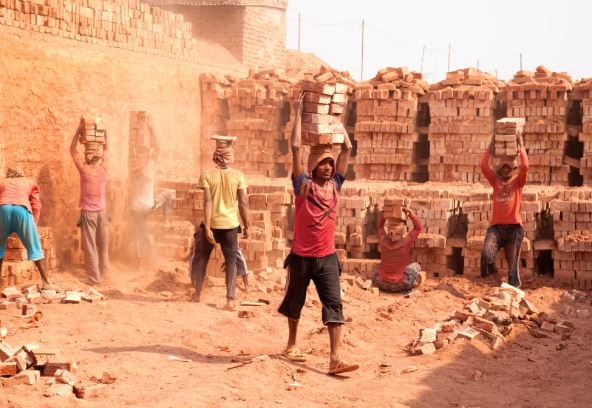
India’s informal workforce remains a vital part of the country’s economic growth, supporting agriculture, construction, retail, transport, domestic services and countless small businesses. From street vendors and daily-wage labourers to home-based workers, artisans and delivery partners, millions of people earn their livelihoods through work that often offers limited income security, paid leave or access to formal employee benefits.
Strengthening protection for these workers is not only a social priority but also an economic opportunity. Better access to healthcare, pensions, insurance, skills training and reliable employment services can help households manage financial uncertainty, improve productivity and contribute to a more resilient economy.
The challenge is to ensure that economic progress reaches the people whose everyday work keeps local markets, essential services and small enterprises running.
A Workforce That Keeps Local Economies Moving
Informal employment takes many forms across India. A farmer hired during the harvesting season, a construction worker moving between projects, a tailor working from home and a street vendor operating a small business may all face different challenges, but their livelihoods often depend on daily earnings and changing demand.
For many workers, even a short interruption caused by illness, an accident, extreme weather or a temporary slowdown in business can put pressure on household finances. Without dependable savings or adequate insurance, an unexpected expense can lead to borrowing, missed payments or the withdrawal of children from educational opportunities.
These risks also affect the wider economy. When workers have little financial security, they may postpone healthcare, reduce household spending or struggle to invest in skills and better equipment. Improving worker protection can therefore support not only individual well-being but also consumer demand, workforce participation and the stability of local businesses.
A more secure workforce is better positioned to plan for the future, maintain productivity and participate in economic growth.
Social Security Is Becoming a Foundation for Worker Welfare
India has taken steps to improve the visibility of workers who have traditionally remained outside formal employment systems. One important initiative is the e-Shram portal, launched in August 2021 to build a national database of unorganised workers and connect them with relevant welfare and employment services.
By August 2026, the portal had recorded more than 31.89 crore registrations, reflecting the scale of efforts to identify workers across occupations and regions. The platform has also developed into a wider digital gateway linking workers with social security schemes, skill development, job opportunities and pension-related services.
This infrastructure provides an important foundation for more inclusive welfare delivery. However, registration alone does not guarantee that every worker receives the support they need. Awareness, eligibility requirements, accurate records and accessible application processes remain important to ensuring that benefits reach intended recipients.
The next stage is to make social protection easier to understand and access, particularly for workers with limited digital literacy or irregular access to the internet.
Healthcare, Insurance and Pensions Can Reduce Financial Uncertainty
Healthcare costs are among the most difficult expenses for households with unpredictable incomes. A worker who loses several days of earnings because of illness may face a double burden: reduced income alongside medical expenses.
Affordable health coverage, accident insurance and accessible public healthcare can help families manage such risks. Pension arrangements are equally important because workers who earn through daily wages or self-employment may not have regular employer-supported retirement contributions.
India’s welfare framework includes initiatives covering health protection, life and accident insurance, pensions and food security. The challenge is to improve awareness and coordination so eligible workers can identify suitable schemes and understand how to access their benefits.
For informal workers, effective protection should be practical rather than complicated. Clear information, assistance at local service centres and timely resolution of applications can make a meaningful difference to households managing tight budgets.
Women Workers Need Greater Recognition and Support
Women make substantial contributions to agriculture, household enterprises, domestic services, garment production and home-based work. Yet some of these activities remain difficult to capture fully in conventional employment records, particularly when paid work overlaps with unpaid household responsibilities.
Women working in informal occupations may also face barriers related to childcare, safe transport, access to credit and limited opportunities for formal training. These constraints can restrict their ability to increase earnings or expand small businesses.
More accessible childcare, flexible training schedules, financial inclusion and stronger links to market opportunities can help women improve their economic independence. Recognition of home-based and self-employed work is also important for ensuring that women are not overlooked when employment and welfare programmes are designed.
When women have greater financial security and control over their earnings, the benefits can extend to children’s education, household nutrition and long-term family stability.
Skills and Formalisation Can Improve Earning Potential
Worker protection should go hand in hand with opportunities to improve income. Training in digital services, modern agricultural practices, electrical work, machinery maintenance, logistics and other technical fields can help workers move towards more productive and better-paid activities.
For small businesses, a more skilled workforce can improve service quality, efficiency and customer satisfaction. Workers who develop recognised skills may also find it easier to secure contracts, negotiate wages or establish independent enterprises.
Formalisation can support this transition by improving employment records, access to finance and eligibility for relevant benefits. However, it should not be treated simply as a process of documentation. Workers also need fair payment practices, clear working conditions and a realistic pathway to more stable employment.
Digital platforms can help connect workers with jobs and training, but technology must complement accessible offline support. Workers who lack smartphones, reliable connectivity or digital confidence should not be excluded from essential services.
Businesses Have a Role in Building a More Secure Workforce
Worker welfare is not solely the responsibility of government. Employers, contractors, business associations and digital platforms can contribute by adopting fairer employment practices and improving access to protection.
Small businesses can benefit from clear contracts, timely wage payments, basic workplace safety measures and transparent records of employment. Larger companies can strengthen supply-chain standards by assessing working conditions among contractors and service providers.
For platform-based workers, transparent payment calculations, clear grievance procedures and better communication about available welfare benefits can help reduce uncertainty. Predictable systems also support stronger relationships between businesses and the people who deliver their services.
There is a commercial case for these measures. Workers who are healthier, better trained and less financially vulnerable are better positioned to maintain productivity and develop their skills. Responsible employment practices can also help businesses build trust, retain experienced workers and improve service reliability.
Building Protection Around the Realities of Informal Work
India’s informal workforce is diverse, and a single solution will not address every worker’s needs. Agricultural labourers may require seasonal income support, while construction workers need portable benefits as they move between locations. Domestic workers may benefit from clearer employment arrangements, and self-employed vendors may need affordable credit alongside insurance and pension access.
Effective policy must recognise these differences while making support systems easier to navigate. Better coordination between central and state programmes, updated worker records, accessible grievance mechanisms and stronger local assistance can help close gaps in delivery.
Portability is particularly important for migrant workers, whose employment and residence may change frequently. Welfare benefits should be easier to access across locations so that moving in search of work does not create unnecessary barriers to essential support.
Progress will ultimately depend on whether workers can translate registration and policy commitments into meaningful improvements in their everyday lives.
A More Secure Workforce Can Support Inclusive Growth
India’s informal workers are not simply beneficiaries of economic development; they are active contributors to it. They supply goods, deliver services, build infrastructure, support agriculture and sustain neighbourhood businesses. Strengthening their security is therefore closely connected to the country’s broader economic ambitions.
Expanding social protection, improving skills and encouraging responsible business practices can help workers manage uncertainty while creating a more productive environment for enterprises. The benefits can reach beyond individual households to local consumption, small-business growth and workforce participation.
The path towards a more secure future lies in combining welfare access with better earning opportunities and greater recognition of informal work. When workers have the confidence to manage emergencies, plan for retirement and invest in their skills, economic growth becomes more inclusive and sustainable.
For India, building a stronger informal workforce is not just about protecting livelihoods today. It is about creating the conditions in which millions of workers can build more stable futures for themselves and their families.