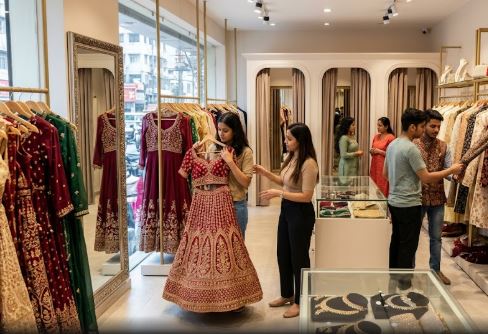
India’s fashion rental market is opening up new ways for consumers to enjoy designer clothing without the expense of buying a new outfit for every celebration. As weddings, receptions and festive gatherings create demand for multiple looks, renting is emerging as a practical alternative for people who want variety without committing to the full cost of premium fashion.
The shift reflects a change in how consumers approach occasion wear. Designer lehengas, embroidered sarees, sherwanis and evening gowns can involve substantial spending, yet many are worn only a few times. Renting allows customers to access these outfits for specific events while keeping their wardrobe expenses under control.
For fashion businesses, this changing preference presents an opportunity to reach customers who value style, affordability and convenience. From online rental platforms to local boutiques, businesses that offer well-maintained garments and dependable service can tap into demand around India’s extensive wedding and celebration calendar.
Wedding Demand Creates Opportunities for Fashion Rental
Weddings are a natural market for occasion wear rentals because celebrations often involve several events, each with its own dress requirements. Engagements, mehendi ceremonies, sangeet functions, wedding rituals and receptions can all call for different outfits.
Purchasing a separate designer ensemble for every occasion can be expensive, particularly for families managing several wedding-related expenses. Renting gives customers the flexibility to choose different styles without paying the full retail price of each garment.
The opportunity extends beyond brides and grooms. Wedding guests, bridesmaids, family members and young professionals attending formal celebrations may also prefer rental options for distinctive outfits they do not expect to wear regularly.
For rental businesses, this creates opportunities to build specialised collections around bridal functions, festive celebrations and formal events. Demand can be seasonal, however, making inventory planning and timely delivery particularly important.
Affordable Access to Designer Fashion Attracts Younger Consumers
Premium occasion wear remains desirable, but purchasing expensive clothing is not always practical for consumers who need several outfits throughout the year. Rental services offer an alternative by allowing customers to wear selected designer pieces at a fraction of their purchase price, depending on the garment and rental terms.
Younger shoppers may find this approach particularly appealing because it offers greater flexibility in experimenting with styles, colours and designers. Instead of investing in clothing for occasional use, they can select an outfit that suits a specific event and return it afterwards.
This model also gives emerging designers and smaller fashion labels another way to introduce their collections to potential customers. With suitable rental partnerships, garments can reach a wider audience beyond those willing to pay their full retail price.
Digital Platforms Are Changing How Customers Discover Rental Fashion
Online platforms are making it easier for customers to browse occasion wear, compare styles and check availability before booking. Detailed photographs, garment measurements, size guidance and transparent pricing can help shoppers make more informed choices.
Convenience, however, goes beyond browsing. Customers need confidence that their selected outfit will arrive on time, fit properly and be in good condition. Clear information about rental periods, deposits, cleaning standards, delivery and return procedures can help prevent misunderstandings.
For businesses, digital systems can simplify bookings, track inventory and reveal which designs, sizes and categories attract the most demand. These insights can help retailers decide which garments to acquire and when to expand their collections.
A strong online presence combined with reliable service can help rental businesses build repeat customers in a market where timing and presentation matter.
Fashion Rental Opens New Opportunities for Small Businesses
The expansion of occasion wear rental can create opportunities for established retailers as well as new entrepreneurs.
Local boutiques can introduce rental services alongside traditional sales, allowing selected garments to generate revenue through repeated use. Designers can partner with rental platforms to increase the visibility of their collections, while entrepreneurs can focus on specific categories such as bridal wear, regional attire or contemporary party clothing.
Supporting services may also benefit. Professional garment cleaning, repairs, alterations, styling and delivery coordination are all important parts of a dependable rental operation.
Businesses do not necessarily need to begin with a large inventory. A carefully selected collection aimed at a clearly defined customer group can provide a practical starting point. Understanding local preferences, rental demand and garment maintenance costs is essential before expanding.
Managing Quality and Costs Will Determine Profitability
While fashion rental offers customers an affordable way to access premium clothing, operating the business requires careful cost management. Garments must be purchased or sourced, stored properly, cleaned after use and inspected before being rented again.
Damage, stains, late returns and poor sizing can create additional expenses. At the same time, expensive outfits that remain unused for long periods tie up working capital without generating sufficient revenue.
Businesses need to identify which garments attract regular bookings and calculate whether rental income can cover acquisition, maintenance, logistics and other operating costs. Clear rental agreements and consistent quality checks can also help manage disputes and protect garment value.
For small businesses, dependable operations and carefully planned inventory are likely to matter as much as the range of designer outfits on offer.
Circular Fashion Adds to the Appeal of Renting
Fashion rental also supports the broader movement towards circular fashion, which encourages garments to remain in use for longer through reuse, resale and repair. Occasion wear is well suited to this approach because many premium outfits are purchased for specific celebrations and may otherwise remain unused.
Renting can allow the same garment to serve multiple customers, potentially reducing the need for each customer to purchase a similar outfit. However, the environmental benefits depend on factors such as garment longevity, cleaning methods, packaging and transportation.
Businesses can strengthen their sustainability efforts by extending the useful life of clothing, maintaining quality standards and avoiding unnecessary packaging and deliveries. For consumers, this can make renting an appealing option that combines wardrobe variety with more considered spending.
Conclusion
India’s fashion rental market is creating a new way for consumers to access premium clothing as wedding celebrations, social events and changing spending priorities reshape demand for occasion wear. Renting offers flexibility to customers while opening additional revenue opportunities for boutiques, designers and digital fashion businesses.
Long-term success, however, will depend on more than offering attractive outfits. Reliable sizing, well-maintained garments, transparent pricing and on-time delivery will be essential to earning customer trust and encouraging repeat bookings.
As more consumers explore alternatives to buying expensive clothing for occasional use, fashion rental has the potential to become a more established part of India’s retail landscape. For businesses that understand their customers and manage their operations carefully, occasion wear offers a promising area for growth.