Understand how yard ramps help facilities without loading docks move freight faster and improve flexible shipping operations across busy industrial sites.
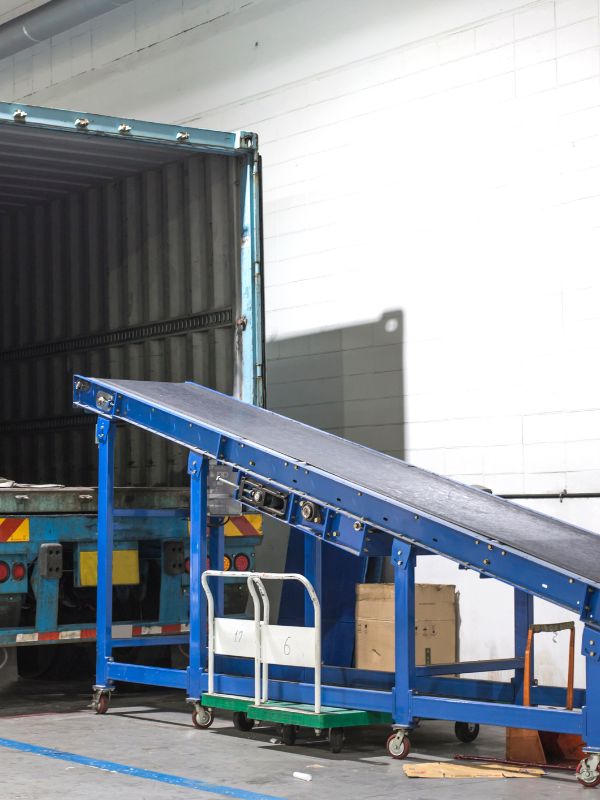
Not every facility starts with a built-in loading dock. Many small warehouses, repair shops, farms, distributors, and industrial yards still need a safe way to move freight from ground level to trailers.
Using yard ramps for loading gives these sites a practical way to handle shipments without major construction or dedicated docks. A yard ramp creates a mobile path between the yard and a truck bed.
Why Loading Access Matters
Loading delays cost time and labor. A team may need extra equipment or extra handling when a trailer sits higher than the ground. That gap can slow receiving and shipping. It can also raise the chance of product damage during transfer.
A yard ramp helps solve that issue by letting forklifts drive directly into trailers. This setup can improve flow during busy shipping windows.
A Flexible Option for Growing Facilities
Facility needs can change fast. A business may add vendors or accept larger freight before the building can support a permanent dock.
Yard ramps for loading let teams adapt without waiting for a major building project. A ramp can support seasonal demand or short-term overflow. This flexibility helps several types of operations, such as:
· Warehouses with limited dock space
· Outdoor storage yards
· Farms and food distributors
· Manufacturing sites
· Equipment rental businesses
A ramp can move between areas when the site layout changes. That makes it useful for facilities with multiple loading points.
Lower Upfront Costs Than Construction
Building a loading dock can require permits, site work, concrete, drainage planning, and downtime. Those costs can strain budgets for smaller facilities.
A yard ramp often gives a faster path to better freight access. It can also reduce the need for manual transfer or outside loading help. The right ramp can support daily use without turning into a large capital project. Business owners still need to match the ramp to the work.
Safer Movement for Freight and Equipment
Ground-to-trailer loading creates safety concerns when teams use poor workarounds. Forklifts need a stable surface and a steady grade. A ramp with the right capacity can reduce unsafe handling. It can also support cleaner movement from storage areas to outbound trailers.
Training still matters every day. Teams can also review common mistakes when using yard ramps before daily loading begins.
What To Consider Before Buying
A yard ramp should fit the equipment and freight. The wrong size can create delays or safety issues.
Facilities should review these basic requirements before purchase:
· Forklift weight
· Average load weight
· Trailer height
· Ramp width
· Surface type
· Available yard space
Capacity should cover the forklift and the freight together. Operators also need enough room to approach the ramp safely.
A Practical Step Toward Better Operations
Facilities without loading docks still need dependable freight movement. A yard ramp can help create similar loading dock access with less disruption.
The best results come from planning. A ramp should match the site, the equipment, and the daily loading volume.