Your plant may be wasting more than materials. See how smarter upkeep and focused upgrades stretch existing equipment and protect your budget.
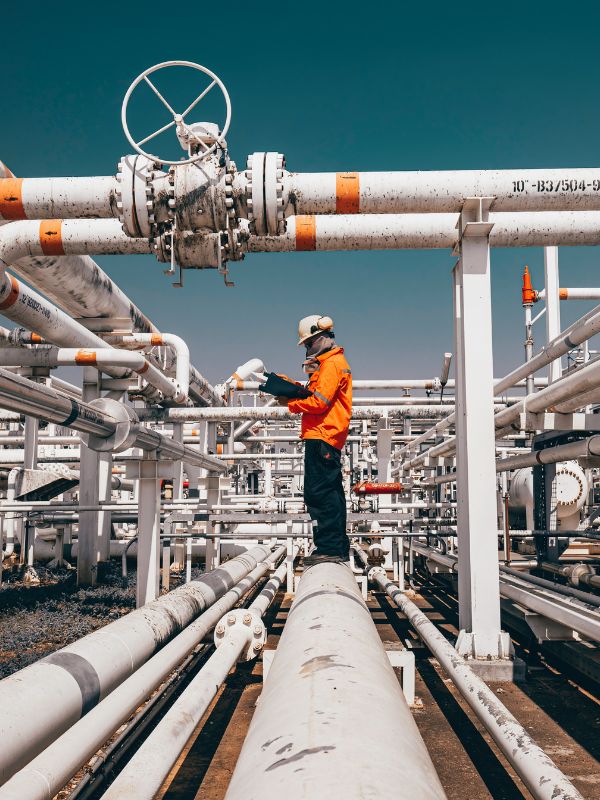
Reducing operating waste does not always require a new production line or a major equipment purchase. It starts with better maintenance and closer process control. Older machinery often wastes material because settings drift, parts wear down, or workers follow outdated procedures. Plant leaders who improve existing systems often lower costs while protecting production schedules and capital budgets. Read on and explore how plants can cut waste without replacing equipment.
Track Where Waste Starts
Managers need accurate data before they decide which process needs attention. Measure waste at each production stage and compare the results across shifts over several weeks. A sudden increase might point to worn tooling or a training gap.
Clear records help teams focus on the source instead of blaming the entire production process for problems that begin at one station. Consistent tracking also reveals long-term patterns that support a more effective allocation of training resources across the plant.
Improve Preventive Maintenance
Poor maintenance causes equipment to run outside its ideal operating range. Worn seals might leak material, while dull cutting tools create more scrap with every cycle. Build maintenance schedules around actual usage instead of relying only on calendar dates.
This approach helps technicians service critical parts before performance drops and prevents minor wear from creating larger waste problems during busy production periods. Over time, proactive maintenance reduces unexpected downtime and ensures machines operate closer to their intended efficiency levels.
Upgrade Critical Components
A full equipment replacement rarely makes sense when one outdated component causes most of the waste. Plants often improve performance by replacing controls, sensors, or worn contact surfaces. For storage or chemical operations, retrofitting older tanks with modern lining systems supports longer service life and reduces losses tied to corrosion or leaks.
Targeted upgrades cost less than new equipment and often require less disruption during installation. These focused improvements allow facilities to modernize gradually while maintaining production continuity.
Review Cleaning and Changeover Practices
Plants often lose usable material during equipment cleaning and product changeovers. Crews might flush more material than necessary because procedures lack clear limits or proper measuring tools. Study each changeover and identify where product remains inside processing equipment.
Better timing and clearer instructions help workers reduce waste without rushing the cleaning process or creating quality problems after production resumes. Refining these steps can significantly improve yield and ensure smoother transitions between production batches without compromising safety or product integrity.
Build Waste Reduction Into Daily Work
A lasting approach to cutting waste without replacing equipment depends on steady attention from managers and operators. Teams should review waste data during regular production meetings and assign clear follow-up actions. Small equipment improvements often produce stronger results when workers understand the reason behind each change.
Plants that treat waste as an operating problem protect profits while making better use of the equipment they already own. Embedding accountability into daily routines ensures continuous improvement becomes part of the plant culture rather than a one-time initiative.