Discover practical ways public parks can save water with smarter landscaping, restroom upgrades, leak repairs, and efficient irrigation plans for now.
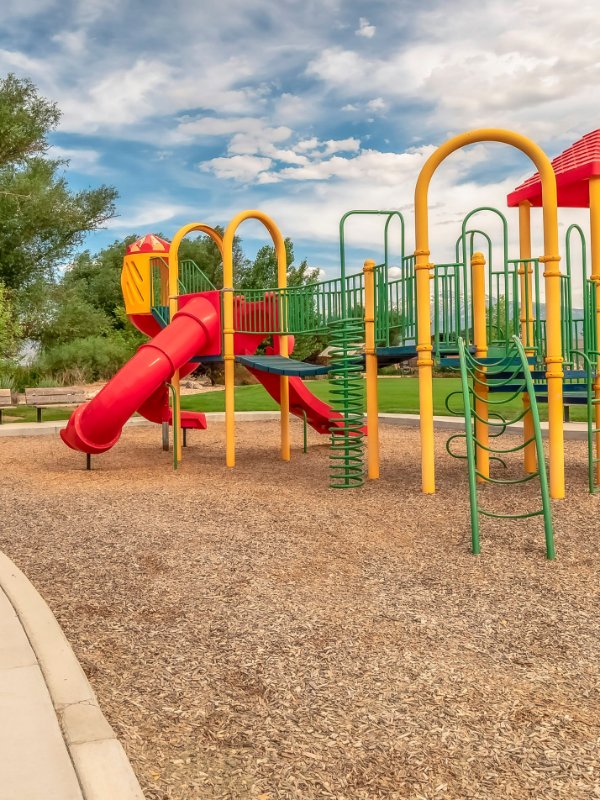
Public parks give communities a place to gather, play, exercise, and enjoy nature. They also use a lot of water, especially during hot months when lawns, gardens, restrooms, and splash areas see heavy use. With smart planning, park managers can cut waste without lowering the quality of the visitor experience.
Water-saving upgrades can also show the community that the park values long-term care, responsible maintenance, and environmental awareness. Small improvements can add up quickly when staff members apply them across an entire property.
1. Choose Native Plants
Native plants usually adapt better to local rainfall, soil, and weather. They need less irrigation than delicate ornamental plants and often handle heat with less stress. Park teams can use native grasses, shrubs, and flowers in garden beds, along walking paths, and in open areas.
This approach also gives the park a more natural look. Visitors can enjoy seasonal color, pollinator activity, and low-maintenance landscaping without seeing dry, patchy areas.
2. Upgrade Irrigation Systems
Old sprinkler systems often waste water due to leaks, poor spray patterns, and watering schedules that don’t align with the weather. Smart irrigation controllers can adjust watering based on rain, temperature, and soil conditions.
Park staff should also check sprinkler heads often. A broken head can spray sidewalks, parking lots, or buildings instead of grass. Routine inspections help teams fix small problems before they waste hundreds of gallons.
3. Improve Restroom Fixtures
Public restrooms use water throughout the day, especially in busy parks with sports fields, playgrounds, and event spaces. Low-flow toilets, water-saving faucets, and automatic shut-offs can reduce waste while keeping restrooms clean and functional.
Park leaders can also create an eco-conscious park restroom by pairing efficient fixtures with durable materials, clear signage, and regular maintenance. Visitors notice clean, modern restrooms, and those upgrades support a stronger water-saving plan.
4. Capture Rainwater
Rain barrels and larger collection systems can help parks reuse water for landscaping. Maintenance teams can direct collected rainwater to flower beds, trees, or small gardens.
Rainwater capture works especially well near maintenance buildings, picnic shelters, and restroom structures that have roof space. This strategy helps parks use natural rainfall rather than relying solely on municipal water.
5. Add Mulch Around Plants
Mulch helps soil hold moisture longer. It also protects roots from heat and reduces weed growth. Park teams can add mulch around trees, shrubs, and garden beds to lower the need for frequent watering.
A fresh layer of mulch also improves the appearance of landscaped areas. Visitors see a cleaner, more cared-for space, while maintenance teams save time and water.
6. Repair Leaks Quickly
Leaks can hide in restrooms, drinking fountains, irrigation lines, and hose connections. Staff members should inspect high-use areas on a regular schedule and fix problems right away.
A simple reporting system can also help. When visitors and employees know how to report leaks, park managers can respond faster and prevent ongoing waste.
Smart Water Use Builds Stronger Parks
Water-saving ideas at a community park don’t need to feel dry, sparse, or limited. With native plants, efficient fixtures, rainwater harvesting, and routine maintenance, public spaces can remain beautiful and welcoming.
When park leaders make water conservation part of daily operations, they protect budgets, advance sustainability, and enhance the outdoor experience for the whole community.