
Study finds that in Japanese adults with autism, balanced social adaptation enhances mental well-being, while excessive camouflage poses challenges
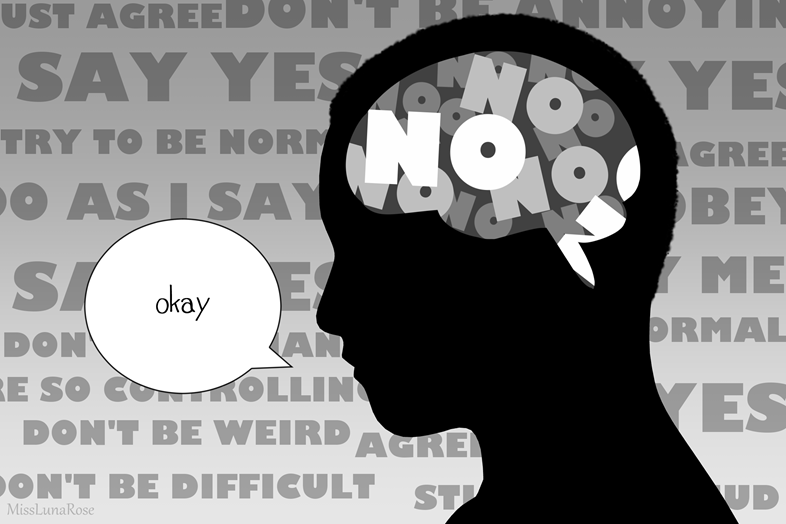
23 Feb 2024: As individuals with autism mature, they face several challenges. These can be related to social communication, sensory sensitivity, and delayed diagnoses. In this regard, a groundbreaking study led by Chiba University researchers explores the impact of social camouflage on the mental well-being of Japanese autistic adults. The results reveal distinctive patterns in Japan. Moderate social camouflage correlated positively with mental health, while excessive camouflage was found to have detrimental effects.
As people with autism grow up, they face unique challenges. They find it difficult to deal with mental health issues. There is a big gap in understanding how pretending to fit in (known as social camouflage), cultural beliefs, and mental well-being are connected. This is especially true for non-Western countries like Japan. In societies that stress conformity, autistic individuals may feel more pressure to act non-autistic. This, in turn, affects their mental health. Not enough studies in Japan have investigated this concern, which leaves a crucial gap in our knowledge. It is vital to recognize these cultural differences to create better support and help for the mental health of autistic individuals all around the world.
Recognizing this issue, in a new study published in the journal Molecular Autism on January 4, 2024, Professor Fumiyo Oshima from the Research Center for Child Mental Development at Chiba University, Japan, along with last author Eiji Shimizu from the Graduate School of Medicine at Chiba University and co-authors Toru Takahashi (Laureate Institute for Brain Research, Tulsa/Japan Society for the Promotion of Science), Laura Hull (Centre for Academic Mental Health, Department of Population Health Sciences, Bristol Medical School, University of Bristol), William Mandy (Research Department for Clinical, Educational & Health Psychology, University College London), and Kenji Tsuchiya (Research Center for Child Mental Development, Hamamatsu University School of Medicine), aimed to replicate and re-analyze a study conducted in the UK.
They explored the characteristics of Japanese autistic individuals in terms of social camouflage and mental health. Their study involved the analysis of information on 210 individuals in Japan and 305 individuals in the UK. All the individuals self-reported autism. The researchers examined whether too much or too little social camouflage could impact mental health. They specifically looked at depression and anxiety by using the Camouflaging Autistic Traits Questionnaire. This research used a method called hierarchical multiple regression analysis with a quadratic term to understand the patterns in Japan. Interestingly, these patterns were different from the straightforward results in the UK.
In Japan, researchers found that autistic people with too much or too little social camouflage tended to show worse mental health, while only autistic people with more social camouflage did so in the UK Discussing the findings, Prof. Oshima highlights, “Among Japanese autistic adults, we discovered that the link between social camouflage and mental health wasn’t straightforward, unlike in their UK counterparts. Moderate social camouflage showed a positive association with mental well-being. In contrast, excessive social camouflage had a negative impact on mental health.”
Additionally, the results emphasized that there is a greater awareness of social stigma in Asian countries. Consequently, feeling judged by others is connected to trying to blend in or hide autistic traits through social camouflage. Prof. Oshima notes, “We found autistic people in Japan tend to engage in less social camouflage as compared to the UK. The lower social camouflage among Japanese autistic individuals may stem from a lack of awareness about their condition. Such a situation reflects the need for improved education and understanding within Japanese society.”
This research reveals the importance of considering cultural factors when supporting individuals with autism. It also acknowledges the impact of societal expectations and stigma. Furthermore, it stresses the urgency of raising awareness about autism in Japan, which could positively influence mental health outcomes. The connection between social stigma, delayed diagnoses, and social camouflage in Japan highlights specific areas where targeted support is needed.
Prof. Oshima concludes by emphasizing the long-term significance of their study. She states that the results can play a crucial role in shaping strategies to enhance the mental well-being of autistic individuals in Japan. Thus, they can suggest a potential step toward embracing diversity in the country!