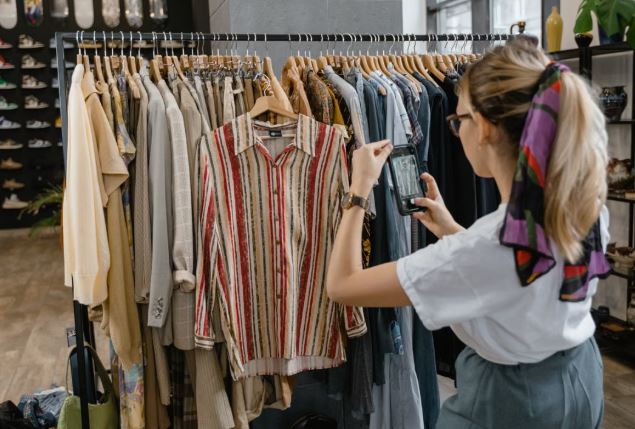
Pic Credit: Pexel
The fashion retail industry is entering a new era as social commerce changes how consumers discover trends, evaluate products and make purchasing decisions. The growing influence of digital creators, personalised shopping, live product demonstrations and changing consumer preferences is opening new growth opportunities for fashion brands, retailers and emerging businesses.
Fashion retail is no longer driven solely by seasonal collections, traditional advertising and physical storefronts. The way people discover and purchase clothing is changing, with digital interactions increasingly influencing fashion choices and shopping behaviour. Consumers are looking for more than attractive products. They want styling inspiration, authentic recommendations, convenient shopping experiences and brands that reflect their personal identity.
This shift is bringing social commerce into the centre of the fashion business. The integration of social interaction, product discovery and online purchasing is changing the relationship between fashion companies and their customers. Instead of depending entirely on conventional promotional campaigns, businesses can now engage potential buyers through styling content, customer experiences, product demonstrations and digital communities.
For India’s fashion industry, this transformation presents considerable opportunities. Established retailers, independent designers, clothing manufacturers and emerging fashion entrepreneurs can reach new customer segments, introduce collections more efficiently and build stronger brand recognition. At the same time, growing competition is making product differentiation, customer trust and operational efficiency increasingly important.
Changing Consumer Behaviour Is Reshaping Fashion Retail
Modern fashion consumers are becoming more digitally connected and selective about their purchases. Earlier, shopping decisions were largely influenced by physical store experiences, fashion advertisements and established brand reputations. Today, consumers frequently discover new styles through online content, peer recommendations, styling inspiration and customer reviews.
This has changed the traditional purchasing journey. A consumer may discover a new clothing trend, explore different styling options, compare prices and purchase an outfit without visiting a physical retail store.
Fashion is also becoming more personalised. Customers increasingly look for clothing that reflects their individual preferences, lifestyle, body type and budget rather than following every mainstream trend.
For retailers, understanding these changing preferences is essential. Businesses that can respond quickly to emerging styles and offer relevant products are better positioned to attract attention and encourage repeat purchases.
Creator-Led Shopping Gives Fashion Brands a New Marketing Opportunity
Fashion creators and digital influencers are becoming important participants in the retail ecosystem. Their styling videos, product demonstrations, outfit recommendations and personal experiences influence how consumers discover and evaluate clothing brands.
This development is changing how fashion companies approach marketing. Instead of relying exclusively on expensive celebrity endorsements, brands are increasingly exploring collaborations with smaller creators who have established audiences within specific fashion categories.
For example, a clothing business can work with creators specialising in ethnic wear, affordable fashion, sustainable clothing, streetwear or everyday styling. Such collaborations allow businesses to reach audiences with relevant interests and showcase products in a more relatable manner.
Customer-generated content is equally valuable. Photographs, styling experiences and genuine product feedback can help potential buyers understand how clothing looks beyond professionally produced advertising images.
For businesses, the commercial benefit lies in building credibility and encouraging purchasing decisions through relatable product experiences. However, successful collaborations require genuine communication, transparent promotional practices and products that meet customer expectations.
Live Shopping Brings a New Dimension to Fashion Sales
Live shopping is introducing a more interactive approach to online fashion retail. It allows businesses to present collections, demonstrate products and communicate directly with potential customers during live sessions.
Unlike conventional product listings, live demonstrations give shoppers an opportunity to understand fabric quality, colour variations, styling combinations and product details. Customers can also ask questions and receive immediate responses.
For fashion retailers, this creates opportunities to introduce new collections, promote seasonal merchandise and clear selected inventory through interactive sales campaigns.
Small businesses can particularly benefit from this approach because it allows them to present products directly without requiring a large retail infrastructure.
However, live shopping needs proper planning. Product availability, presentation quality, pricing clarity and customer support must be managed effectively to convert audience interest into actual sales.
Artificial Intelligence Is Making Fashion Shopping More Personalised
Artificial intelligence is gradually changing how fashion retailers understand customer preferences and manage their businesses.
AI-powered recommendation systems can analyse shopping patterns, browsing behaviour and previous purchases to suggest relevant products. This can make product discovery easier while helping retailers introduce customers to complementary clothing, footwear and accessories.
The technology is also supporting fashion businesses in demand forecasting, inventory planning, customer service and trend analysis.
For instance, retailers can use data-driven insights to understand which product categories are receiving greater attention and adjust their stock requirements accordingly. This can help reduce excess inventory and improve purchasing decisions.
AI-powered virtual styling and digital try-on solutions are also creating new possibilities for online shopping. These technologies can help customers visualise selected products and explore different styling combinations before purchasing.
For businesses, the long-term value of AI lies in improving customer experience while making retail operations more efficient. However, technology must complement human creativity and responsible business decisions rather than replace them.
Sustainable Fashion Creates New Retail Opportunities
The growing interest in responsible consumption is influencing the future of fashion retail. Consumers are increasingly exploring clothing rental, pre-owned garments, vintage collections and resale opportunities.
This development is creating space for circular fashion business models that extend the useful life of garments and encourage more responsible purchasing habits.
For entrepreneurs, resale and rental services offer opportunities to enter the fashion market with alternative business models. Independent sellers can build specialised collections, while established retailers can explore take-back programmes, resale partnerships and rental services.
However, sustainable fashion businesses must maintain transparency around product condition, sourcing, quality and authenticity. Reliable inspection, cleaning, packaging and delivery processes are essential for building customer confidence.
The commercial opportunity is not limited to selling new clothing. Businesses can increasingly create value through garment reuse, repair, rental and resale services.
Opportunities for India’s Fashion Retailers and Emerging Brands
India’s fashion industry has considerable potential to benefit from the expansion of social commerce. A large and diverse consumer market, growing digital adoption and increasing interest in personalised fashion are creating opportunities for businesses of different sizes.
Independent designers can introduce their collections to customers beyond their immediate geographical markets. Regional clothing manufacturers can showcase traditional designs to wider audiences, while boutique owners can develop stronger relationships with customers through digital engagement.
The growing interest in ethnic wear, contemporary fashion, affordable styling and specialised clothing categories also provides opportunities for brands to establish distinct market positions.
For startups and MSMEs, social commerce can reduce some of the barriers associated with entering fashion retail. Businesses can begin with focused collections, test consumer demand and expand their product offerings based on customer feedback.
This is particularly relevant for small manufacturers and homegrown fashion labels seeking to build brand recognition without immediately investing in extensive physical retail networks.
The Business Impact: From Marketing Costs to New Revenue Models
Social commerce is influencing the economics of fashion retail by creating additional ways to attract customers, generate sales and build brand loyalty.
For fashion businesses, the major commercial opportunities include:
Lower barriers to customer acquisition: Digital content and creator collaborations can help emerging brands reach relevant audiences without depending entirely on traditional advertising.
Faster product discovery: Interactive demonstrations and customer recommendations can shorten the distance between discovering a product and making a purchase.
Improved customer insights: Digital engagement and shopping data can help retailers understand consumer preferences and plan collections more effectively.
New revenue opportunities: Live selling, limited-edition collections, rental services and pre-owned fashion can diversify traditional retail business models.
Stronger customer relationships: Personalised recommendations, responsive communication and customer communities can encourage repeat purchases and improve brand loyalty.
Growth of supporting industries: The changing retail environment is also creating demand for fashion photography, content production, digital marketing, logistics, packaging and technology services.
For smaller businesses, the opportunity is to use these developments strategically rather than investing heavily in every new technology or marketing trend.
Challenges That Fashion Businesses Cannot Ignore
Despite its growth potential, social commerce also presents operational and commercial challenges.
Intense competition makes it increasingly difficult for brands to maintain visibility and stand out in a crowded market. Businesses that depend entirely on promotional content may struggle to build lasting customer relationships.
Product quality and accurate representation are equally important. Differences between advertised images and actual products can result in dissatisfaction, returns and negative customer feedback.
Inventory management is another concern. Sudden demand for a particular design or collection can create stock shortages, while inaccurate demand forecasting can leave retailers with unsold merchandise.
Fashion companies must also pay attention to customer data protection, secure payments, delivery reliability and transparent return policies.
The ability to manage these areas effectively will determine whether social commerce becomes a profitable business channel or simply another marketing expense.
The Future of Fashion Retail Will Be Built Around Customer Experience
The next phase of fashion retail will be shaped by the combination of creativity, technology and changing consumer expectations. Social commerce is making fashion shopping more interactive, while AI, personalised recommendations and digital product experiences are creating new ways for businesses to connect with customers.
Physical retail will continue to have an important role, particularly where shoppers want to examine fabrics, assess fit and experience products before purchasing. The opportunity for businesses lies in connecting these physical experiences with digital discovery and customer engagement.
For India’s fashion retailers, the future will depend on understanding customers, responding to emerging trends and developing business models that balance innovation with profitability.
Ultimately, social commerce is changing more than the way fashion products are marketed. It is reshaping the entire retail relationship, from trend discovery and product development to customer engagement and sales. Brands that combine authentic storytelling, quality products, efficient operations and convenient shopping experiences will be better positioned to build sustainable growth in the evolving fashion economy.