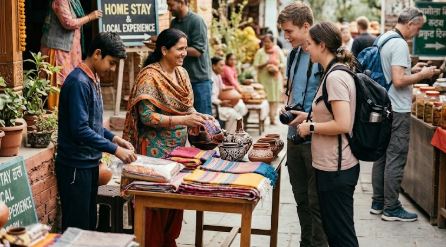
Regional tourism in India is opening new avenues for entrepreneurship by bringing local food, traditional crafts, cultural heritage and nature-based experiences into the spotlight. As travellers increasingly explore destinations beyond major cities, smaller towns and rural communities are finding opportunities to attract visitors, support local businesses and generate income.
The shift is creating business prospects across several sectors, including hospitality, food, handicrafts, transport and travel services. A family can convert an extra room into a homestay, a local entrepreneur can build a business around regional cuisine, and an artisan can sell handmade products to visitors looking for something distinctive. These activities can generate income while helping preserve the traditions that make each destination unique.
India’s domestic tourism market offers a substantial opportunity. The country recorded approximately 4.13 billion domestic tourist visits in 2025, according to provisional government estimates. This scale of travel highlights the potential for lesser-known destinations to attract visitors and create new markets for local entrepreneurs.
Tourism Opens Doors for Small Businesses
Tourism generates economic activity well beyond hotels and popular attractions. Every visitor creates potential demand for accommodation, food, transport, shopping and local experiences. This spending can benefit businesses directly serving tourists as well as farmers, suppliers, maintenance workers and other service providers.
For smaller communities, tourism can provide an additional source of income alongside agriculture and traditional occupations. When local businesses work together, the benefits can extend further. A homestay that sources vegetables from nearby farmers, recommends local guides and promotes regional handicrafts helps distribute tourist spending across the community.
For entrepreneurs, the opportunity lies in understanding what visitors want while offering services rooted in local culture and resources.
Homestays and Regional Experiences Gain Ground
Accommodation is one of the most accessible entry points into regional tourism. Homestays, guesthouses and small boutique properties appeal to travellers seeking personal service, regional food and a closer connection with local life.
Property owners can generate additional income by using existing space, while creating demand for housekeeping, catering, transport and maintenance services. Local experiences such as village walks, traditional cooking sessions and heritage tours can provide additional revenue.
However, a successful hospitality business requires careful financial planning. Renovation costs, staffing, utilities, booking commissions and seasonal demand all influence profitability. Consistent cleanliness, fair pricing and dependable service are essential to building a strong reputation.
Local Food and Handicrafts Reach New Customers
Regional food and traditional crafts offer entrepreneurs another way to benefit from growing visitor interest. Local restaurants, snack producers and small food businesses can attract customers through distinctive regional specialities, while artisans can sell handloom textiles, pottery, jewellery, paintings and other handmade products.
Tourism can also strengthen connections between local producers and hospitality businesses. Restaurants and homestays that purchase ingredients from nearby farmers help create additional markets for agricultural produce.
The commercial opportunity does not end when visitors leave. Travellers who discover a regional speciality or handmade product may want to purchase it again. Businesses can use social media, online catalogues and digital payments to reach these customers after their trips.
To convert interest into sustainable revenue, entrepreneurs need to maintain product quality, manage costs and ensure reliable packaging and delivery.
Digital Platforms Help Businesses Grow
Digital technology has made it easier for small tourism businesses to reach customers outside their immediate markets. Online maps, travel websites, booking platforms and social media allow entrepreneurs to showcase their services without the marketing budgets traditionally required by larger operators.
High-quality photographs, accurate business information, transparent pricing and prompt communication can help build customer confidence. Local festivals, regional cuisine and cultural experiences can also attract attention when promoted effectively online.
Nevertheless, visibility alone does not guarantee profitability. Booking commissions, advertising expenses and cancellations can affect earnings. Entrepreneurs need to evaluate which channels deliver genuine business and combine online promotion with partnerships involving local travel operators and other businesses.
Tourism Supports Jobs and Local Livelihoods
One of regional tourism’s most important economic benefits is its ability to generate employment across connected industries. Increased visitor demand can create work for drivers, cooks, cleaners, guides, farmers, performers, craft workers and event organisers.
The sector can also offer opportunities for women and young people to establish small enterprises, including home-based food businesses, handicraft ventures and community-led experiences. Access to finance, business training and digital skills can help more residents participate in this growth.
Government estimates indicate that tourism accounted for approximately 13.34% of India’s total employment in 2023–24, including direct and indirect jobs. This reflects the sector’s wider role in supporting livelihoods beyond conventional hospitality businesses.
Infrastructure and Sustainability Shape Growth
The success of regional tourism depends on more than attractive destinations. Good roads, reliable transport, clean public facilities, electricity, water supply and mobile connectivity influence visitor satisfaction and business performance.
At the same time, unmanaged tourism can increase waste, water consumption, traffic and pressure on local infrastructure. Businesses may also face seasonal fluctuations, rising costs and uncertain visitor numbers.
Entrepreneurs therefore need realistic budgets, appropriate pricing and plans to attract customers throughout the year. Local authorities can support sustainable growth through better infrastructure, skills development and clear operating guidelines.
Community participation is equally important. Tourism is more likely to create lasting value when residents have opportunities to own businesses, contribute to planning and benefit directly from the income generated.
Turning Local Identity Into Business Value
Regional tourism in India presents an opportunity to connect local culture and resources with a growing domestic travel market. From homestays and restaurants to handicrafts, guided tours and digital services, entrepreneurs can develop businesses that respond to visitor demand while supporting local livelihoods.
The strongest opportunities will emerge where commercial planning meets authentic experiences. Businesses that maintain quality, manage costs, build local partnerships and use digital tools effectively can improve their chances of long-term success.
Ultimately, regional tourism is about more than attracting visitors. It is about ensuring that tourism spending supports local enterprises, strengthens supply chains and creates sustainable income for communities. With better infrastructure, wider market access and responsible planning, smaller destinations can become important centres of entrepreneurship and economic growth in India.