Pic Credit: Pexel
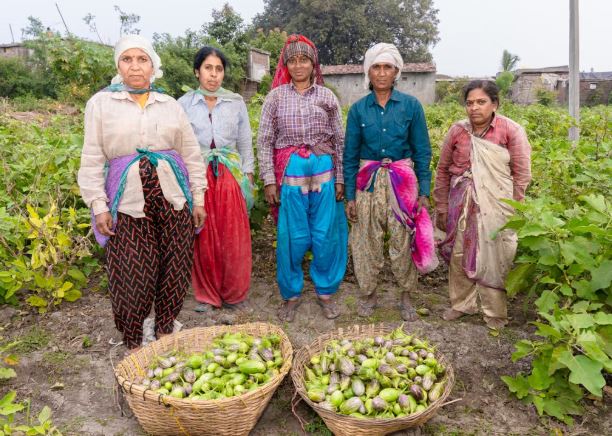
Across India’s villages, women are building businesses that rarely attract national attention but play an important role in strengthening local economies. They are processing farm produce, running dairy units, producing handmade goods, managing small retail outlets and turning agricultural waste into useful products. Many are also using digital payments, social media and self-help groups to reach customers beyond their immediate communities.
These enterprises may operate from a small room, a village market or a modest production unit, but their economic contribution can be significant. They help families earn additional income, create local employment and reduce dependence on seasonal agricultural work. For many rural women, entrepreneurship is also changing how financial decisions are made within households and how communities view women’s role in business.
The story of rural women entrepreneurs is not simply about earning a living. It is about building sustainable livelihoods, using local resources more efficiently and creating opportunities in places where formal employment can be limited.
From Household Skills to Income-Generating Businesses
Many rural women begin their entrepreneurial journey with skills they already possess. Food preparation, stitching, livestock care, weaving and knowledge of local agricultural products can provide the foundation for a small business.
A woman who once prepared pickles or snacks for household consumption may begin selling them to neighbours and nearby shops. With better packaging, consistent quality and access to wider markets, the same activity can develop into a regular source of income. Similarly, women involved in dairy farming can increase earnings by improving milk collection, processing and direct sales.
Agro-processing offers considerable opportunities. Instead of selling crops immediately after harvest, women can turn locally available produce into flour, spice blends, millet-based foods, packaged snacks and other higher-value products. This can help retain more of the value within the village while reducing dependence on selling raw commodities alone.
Other women are establishing tailoring units, handicraft businesses, small poultry farms and community-based retail enterprises. Some provide digital services, assist residents with online applications or help people access banking and payment facilities.
What connects these activities is their ability to begin on a manageable scale and grow gradually. However, commercial success depends on more than traditional skills. Product quality, reliable supply, pricing, customer relationships and access to markets determine whether a small activity can become a sustainable enterprise.
Self-Help Groups Are Opening Doors to Entrepreneurship
Self-help groups have become an important route through which rural women organise economic activities and develop greater financial independence. By pooling savings, sharing responsibilities and accessing loans, members can build businesses that might be difficult to establish individually.
India’s National Rural Livelihoods Mission supports rural women through self-help groups, financial inclusion and livelihood development. Its wider network has helped bring millions of rural women into organised community-based institutions, creating a foundation for savings, credit and enterprise development.
Working collectively can offer practical advantages. Women can purchase raw materials in larger quantities, share equipment, organise production and negotiate with buyers. A group producing spices, for example, may find it easier to arrange packaging and transport collectively than each member working independently.
Collective enterprises can also help women learn from one another. Members may share information about pricing, bookkeeping, customer demand and loan repayment, reducing some of the risks associated with starting a business.
Nevertheless, group membership alone does not guarantee profitability. Enterprises still need viable products, professional management and access to customers willing to pay sustainable prices.
Sustainability Is Becoming Part of Rural Business
Sustainable living is increasingly connected to the way some rural women earn their livelihoods. Many enterprises draw on local materials, traditional knowledge and agricultural resources, creating opportunities to reduce waste while generating income.
Women engaged in natural farming, beekeeping, compost production and food processing can contribute to more resource-efficient local economies. Others manufacture cloth bags, reusable household products, leaf-based items or goods made from agricultural by-products.
For example, crop residues that might otherwise be discarded can sometimes be converted into compost, animal feed or useful craft materials. Dairy enterprises can make productive use of animal waste through composting and, where suitable, biogas systems. These approaches can create additional value from resources already available within a community.
Such businesses can offer environmental and economic benefits, but their impact depends on how they operate. Sustainable products need dependable demand, suitable production methods and prices that cover the cost of materials and labour. Environmentally friendly production should not come at the expense of women’s earnings or working conditions.
For rural entrepreneurs, sustainability is most effective when it makes commercial sense as well as serving the community. Lower waste, efficient resource use and locally sourced materials can sometimes reduce costs while helping businesses develop a distinct identity in the marketplace.
Digital Tools Are Expanding Rural Women’s Reach
One of the most important changes in rural entrepreneurship is the growing availability of digital services. Smartphones, internet connectivity, digital payments and online communication have made it easier for small businesses to manage transactions and connect with customers.
A woman selling homemade food products may use messaging platforms to accept orders from nearby towns. A handicraft producer can share photographs of products with potential buyers, while a small shopkeeper can use digital payments to simplify transactions and maintain better records.
Digital tools can also improve access to information about government programmes, training opportunities and financial services. For women who previously depended entirely on local intermediaries, these channels may create additional ways to identify buyers and compare prices.
However, the digital opportunity remains uneven. Internet access, device affordability, digital literacy, language barriers and confidence in using online services can limit participation. Online selling also involves packaging, delivery, customer service and potential returns, all of which affect profitability.
Training must therefore go beyond showing women how to use a smartphone. Entrepreneurs need practical guidance on digital bookkeeping, online safety, product promotion and managing customer payments.
The Credit Challenge Behind Small Businesses
Despite their potential, rural women entrepreneurs often struggle to obtain sufficient formal finance. Many operate informally, without detailed accounts, registered business records or assets that can be offered as collateral.
These limitations can make it difficult to qualify for larger loans, even when a business has regular customers. Women may rely instead on personal savings, family contributions or small loans that are insufficient for buying machinery, improving packaging or expanding production.
The consequences can be long-lasting. A business may have demand for its products but lack the working capital required to purchase raw materials in bulk. Another may be unable to meet a large order because it cannot afford additional equipment or transport.
Initiatives such as the government’s Lakhpati Didi programme seek to support women associated with self-help groups in developing sustainable livelihood activities and increasing household incomes. The broader rural livelihoods framework also encourages access to finance, skills and enterprise opportunities.
To make these efforts more effective, financial support needs to be combined with business mentoring, transparent loan terms and market connections. Women also need help maintaining records of sales, costs and profits so that lenders can better assess the viability of their enterprises.
Access to credit matters, but the ability to repay that credit through a dependable business is equally important.
Turning Local Products Into Marketable Brands
For many rural enterprises, the next major challenge is moving beyond occasional sales within the village. Local demand can provide a starting point, but long-term growth may require access to district markets, urban retailers, institutional buyers or online platforms.
Government-supported exhibitions and rural livelihood fairs, including SARAS Aajeevika Melas, provide opportunities for self-help groups and rural producers to display their products and meet customers. Such platforms can help women understand consumer preferences, improve presentation and establish commercial contacts.
However, exhibitions alone cannot guarantee regular sales. Businesses need consistent product quality, appropriate pricing, reliable delivery and packaging that meets customer expectations. Food-based enterprises may also need the relevant registrations, licences and food-safety practices.
Branding can make a difference when it communicates genuine product strengths, such as local ingredients, traditional craftsmanship or responsible production. Yet marketing claims must reflect actual practices, and businesses need to ensure that additional costs do not make products unaffordable or reduce the producer’s earnings.
Stronger links with retailers, distributors, cooperatives and larger companies can help rural women secure more predictable demand. Fair purchasing arrangements are particularly important so that the benefits of expanding markets reach the women who make the products.
The Impact Goes Beyond a Woman’s Income
When a rural woman earns regularly from her own business, the benefits can extend throughout the household. Additional income can help families pay for education, healthcare, nutrition, transport and essential household expenses.
Entrepreneurship can also increase women’s participation in financial decisions. Managing revenue, negotiating with buyers and repaying business loans can build confidence and strengthen practical financial skills.
At the community level, successful enterprises may create work for other women and young people. A small food-processing unit, for instance, can generate demand for farm produce, packaging, transport and retail services. The benefits can spread across a local supply chain.
Still, entrepreneurship can add to women’s existing responsibilities. Many continue to manage childcare, household work and family care alongside their businesses. Limited transport, restricted mobility and unequal access to property or financial resources can make expansion more difficult.
Support for rural women entrepreneurs should therefore include safe transport, childcare options, practical training and greater access to markets, alongside financial assistance.
What Rural Women Entrepreneurs Need Next
The future of rural women’s entrepreneurship will depend on whether small businesses can move from survival-oriented activity towards stable and profitable operations.
Affordable finance, accessible digital training and stronger market connections are essential. So are reliable electricity, transport infrastructure, storage facilities and local processing centres. Shared machinery and common workspaces can reduce the investment required for individual entrepreneurs to begin production.
Government agencies, banks, local institutions and private businesses can help by connecting women with buyers and providing guidance on pricing, quality standards, bookkeeping and business planning.
Progress should also be measured through practical outcomes: whether enterprises remain active, whether women’s net earnings increase, whether jobs are created and whether businesses can continue operating without repeated emergency borrowing.
Most importantly, rural women should be recognised not merely as beneficiaries of development programmes but as business owners whose knowledge, labour and commercial decisions contribute to the wider economy.
Conclusion: Small Enterprises, Lasting Change
Rural women entrepreneurs rarely dominate business headlines, yet their work helps sustain village economies and creates opportunities where formal employment may be scarce. From food processing and dairy farming to sustainable products, handicrafts and digital services, their enterprises demonstrate how local knowledge can become an economic asset.
Their next challenge is to build businesses that are not only productive but also financially secure, environmentally responsible and capable of reaching larger markets.
With better access to credit, technology, training and fair commercial opportunities, more rural women can turn small ventures into dependable sources of income and employment.
The real measure of progress will not be the number of women who start businesses alone. It will be how many can build enterprises that survive, grow and provide a better quality of life for their families and communities.