No business likes last-minute surprises, mainly due to the cost of fixing them. Learn how regular testing can help your plant avoid these types of issues.
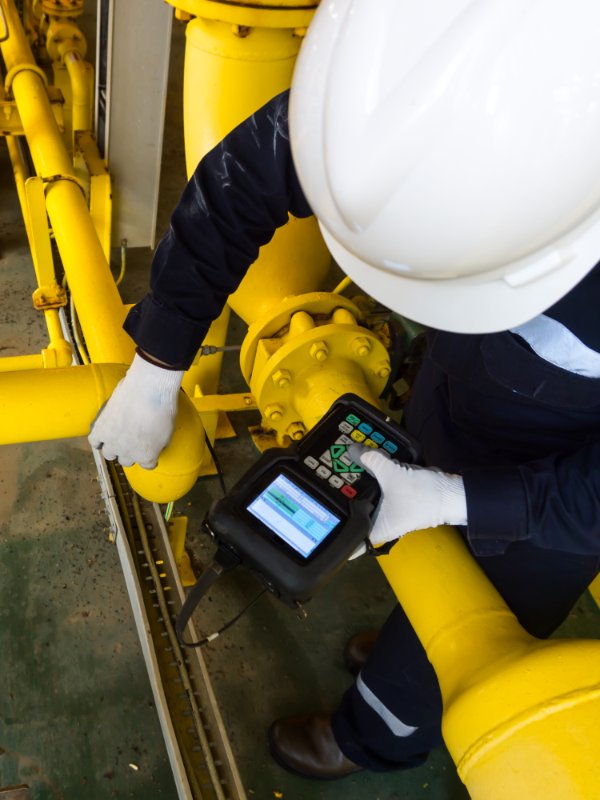
Plant managers rarely have the luxury of dealing with one issue at a time. Production goals continue moving forward, maintenance schedules stay busy, and every decision has to balance efficiency with reliability. That constant pressure makes it easy for small concerns to blend into the background until they become too significant to ignore.
That’s why regular testing remains such an important part of plant operations. It protects them from costly surprises by giving teams the opportunity to identify emerging issues earlier than usual. Let’s learn more about how it does that.
Testing Turns Assumptions Into Evidence
Equipment can seem fine during normal operation, but appearances don’t always tell the full story. Testing gives teams a clearer view of how systems perform in actual working conditions.
That matters because decisions based on assumptions can get expensive when made incorrectly. When teams have current test results, they can plan maintenance with more confidence and avoid reacting only after performance drops.
Small Problems Are Easier To Manage Early
In most circumstances, minor issues are usually cheaper to address before they spread through the system. Regular testing helps identify changes while there is still time to plan the response.
This is especially important in plants, where a single weak point can affect a larger process. A minor pressure concern may not shut anything down immediately, but it can pose a risk if left unchecked for too long.
Testing Supports Better Design Decisions
Testing doesn’t only protect existing systems. It also gives teams useful insight when they plan upgrades or new installations. Real performance data can show where current systems are under stress and where a future design needs stronger support.
That information becomes valuable in process piping design for high-pressure applications because the choices made here need to reflect how the plant actually operates. When testing data guides those choices, the finished system is less likely to create avoidable surprises later.
Planned Testing Reduces Emergency Downtime
Emergency repairs are typically expensive, but they often cost more when they happen on the plant’s worst schedule. Crews have to respond quickly while the business absorbs the disruption. That pressure can make even a straightforward repair harder to manage.
Regular testing protects plants from costly surprises by creating a better path. It allows maintenance teams to schedule work before the situation becomes urgent. That planning helps protect production while giving managers a stronger case for spending money before failure forces the issue.
Good Records Make Patterns Easier To See
One test result can be useful, but the real value comes from tracking changes over time. Records help teams understand whether a system is stable or slowly moving toward a problem.
That history can also improve communication between operations and leadership. Instead of explaining a concern through guesswork, teams can point to a pattern. Clear evidence makes it easier to approve repairs before they become costly surprises.